.svg)
Did you know 77% of business leaders say personalized support is the reason customers stay, and revenue grows? That’s why an account manager job description matters; it defines the person who keeps clients happy and brings long-term growth.
If you’re hiring for this role, you need a clear blueprint. You need clarity on what an account manager truly does so you can attract candidates who can build trust, manage relationships, and drive renewals.
In this guide, you’ll find a clear breakdown of responsibilities, skills, and a ready-to-use job description template to simplify your hiring process.
Create Your Account Manager JD Now
What Is an Account Manager?
An account manager is responsible for building and maintaining relationships with clients to help them get the most value from your products or services.
They act as the main point of contact for clients after the initial sale, ensuring ongoing satisfaction and handling renewals. They also identify opportunities to upsell or cross-sell based on client needs.
Account managers are dedicated to client retention, satisfaction, and growth, ensuring long-term relationships and ongoing business success. They work closely with sales and service teams to align client goals with the company’s offerings, acting as the primary liaison between clients and internal departments.
Account Manager vs. Sales Rep vs. Customer Success Manager
Hiring managers often mix these roles, but each serves a different purpose in client growth and retention. The table below clarifies these differences so you can define your account manager role accurately.

Key Responsibilities of an Account Manager
An account manager’s work goes beyond maintaining client lists; it centers on building trust, driving outcomes for clients, and supporting your company’s growth. Here’s what this role typically involves:
- Manage and grow client accounts by staying connected with clients, understanding their goals, and aligning your services to help them succeed.
- Act as the main point of contact so clients always know who to reach when they need guidance or support, reinforcing reliability and consistency.
- Develop strategic plans tailored to each client’s objectives, ensuring they see measurable results and value from your product or service.
- Monitor performance metrics that highlight opportunities or risks, allowing you to address issues and keep clients on track proactively.
- Identify upselling and cross-selling opportunities that align with client needs, adding value while supporting your revenue goals.
- Resolve client issues promptly to maintain trust, showing clients that their concerns are heard and acted upon without delay.
- Prepare clear, regular reports that give clients insight into their progress and next steps, reinforcing your commitment to their success.
- Track and improve customer satisfaction(e.g., CSAT, NPS) and act on feedback to strengthen relationships and retention.
- Proactively manage retention and churn by identifying at-risk accounts early and implementing strategies to retain clients and reduce churn.
- Conduct regular check-ins and business reviews by scheduling ongoing meetings to discuss progress, address concerns, and uncover new opportunities.
- Collaborate with internal teams like sales, product, and support departments to deliver seamless solutions and resolve cross-functional issues.
- Maintain detailed account records to document all client interactions, agreements, and performance data for organizational transparency and compliance.
Required Skills for Account Managers

The right account manager combines people skills with technical capability to support clients and deliver results. Here’s what to look for when hiring:
Core Soft Skills
- Communication
Account managers need to share updates, manage expectations, and handle concerns clearly, whether over email, calls, or meetings.
- Negotiation
The role often involves managing contract renewals and identifying upselling opportunities, requiring confidence in presenting value while respecting client budgets.
- Relationship-building
Long-term client retention depends on building trust and rapport, helping clients see your business as a partner rather than just a vendor.
- Time management
Account managers often juggle multiple client needs and internal priorities. The ability to organize and prioritize ensures clients get timely support without missing key internal deadlines.
Technical Skills
- CRM tools (Salesforce, HubSpot)
A good account manager uses CRM systems to track client interactions, monitor renewals, and manage pipelines efficiently.
- Data analysis and reporting
Clients expect clear, actionable insights on how your service impacts their goals. Account managers should interpret data to prepare reports that guide client discussions and decisions.
- Presentation software
Whether it’s for quarterly business reviews or client updates, account managers should be comfortable creating and delivering presentations that communicate progress and opportunities effectively.
Certifications (Preferred but not mandatory)
While not essential, certain certifications signal readiness for the role:
- Salesforce Certification: Shows comfort with CRM systems commonly used for account management.
- HubSpot Inbound Sales: Demonstrates understanding of client-centered sales processes.
- Google Workspace proficiency: Ensures efficient collaboration and reporting using common workplace tools.
Industry Variations in the Account Manager Role
Account manager responsibilities shift depending on the industry, influencing daily tasks and success measures. This chart clarifies these differences so you can refine your job description or evaluate candidates with context.
Hiring the right account manager starts with clear expectations. A well-defined job description helps you attract candidates who can build client trust while supporting your business’s revenue goals.
Also Read: Standard Operating Procedure (SOP) for Recruitment to Improve Hiring Success
Account Manager Job Description Template
This template gives you a structured starting point covering core responsibilities, required skills, and what the role typically involves. Use it to attract candidates aligned with your needs.
Pair the template with a clear interview process and case-based assessments to evaluate real skills. Align with your team on expectations so you hire someone who fits your clients’ needs and your company’s working style.
Looking to Hire an Account Manager?
Simplify your hiring process with Weekday’s Account Manager JD Generator. Create a tailored job description in minutes and start attracting the best candidates quickly, helping you find the perfect fit for your team.
Create Your Account Manager JD Now
Tips For Personalizing Account Manager Job Description Template
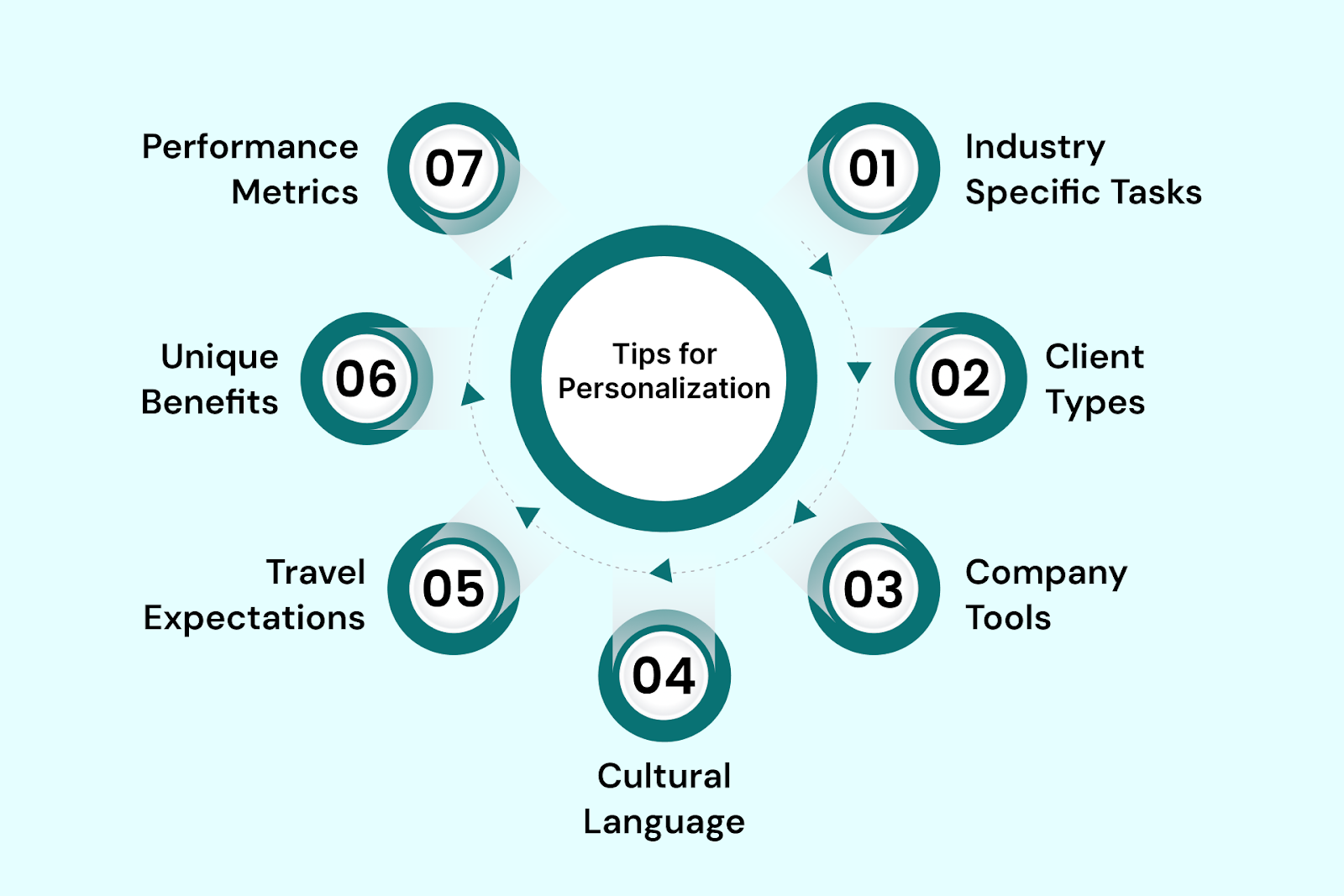
Use these tips to adapt the account manager job description to your company and industry:
- Add industry-specific tasks:
- SaaS: “Monitor product adoption and customer health scores.”
- Advertising: “Coordinate campaign timelines and creative approvals.”
- Manufacturing: “Oversee distributor account performance.”
- Specify client types: Include whether the role manages enterprise clients, SMBs, or specific sectors.
- Include your company’s tools: List CRM systems (Salesforce, Zoho), communication platforms (Slack, Teams), or reporting tools your team uses daily.
- Adjust language to reflect your culture: Use straightforward, formal language for corporate environments or a conversational tone for startups.
- Mention travel expectations: If the role requires travel for client meetings or events, include approximate frequency.
- Highlight unique benefits: Add benefits that matter in your company, such as learning budgets, remote flexibility, or wellness support.
- Align with your performance metrics: Reference KPIs your company values, like retention rate or upsell targets, to attract candidates who align with your goals.
Make your hiring easier with Weekday’s Resume Screener. Quickly spot the best candidates, reduce hiring guesswork, and focus your time on people who truly fit your needs.
Also Read: Top 15 Hiring Platforms in India 2025
Conclusion
A well-crafted account manager job description not only clarifies expectations but also shapes the success of your client relationships and business growth. When you define responsibilities, required skills, and industry nuances, you create a strong foundation for hiring professionals who can drive client retention and deliver real value. These hires will also be adaptable, able to meet evolving client needs as your business grows.
Use this account manager job description guide to make informed decisions that benefit both your organization and your clients.\
Looking to hire exceptional account managers or build a world-class team? With access to over 30 million profiles and the support of 2,000+ companies, Weekday helps you find the perfect fit, faster and more efficiently.
Discover how Weekday can make your recruitment process smarter with curated talent pools and automated outreach.
FAQs About Account Manager Job Description Guide
- What does an account manager do on a daily basis?
Account managers manage client relationships, serve as the main point of contact, address client needs, monitor account performance, and collaborate with internal teams to ensure client satisfaction and business growth.
- What skills and qualifications are required for an account manager?
Key skills include strong communication, relationship-building, negotiation, organization, and proficiency with CRM software. Most roles require a bachelor’s degree in business, marketing, or a related field, and relevant experience in account management or sales.
- How is an account manager different from a sales representative or customer success manager?
While sales representatives focus on acquiring new clients, account managers nurture and grow existing client relationships. Customer success managers often focus on product adoption and support, whereas account managers handle broader business objectives and revenue growth.
- What are typical KPIs or performance metrics for account managers?
Common KPIs include client retention rate, upsell and cross-sell revenue, Net Promoter Score (NPS), contract renewal rates, and overall account growth.
- What tools do account managers commonly use to manage their accounts?
Account managers typically use CRM software like Salesforce, HubSpot, or Zoho to track client interactions, manage sales pipelines, and analyze account performance.
- Is travel a common requirement for account managers?
Depending on the industry and client location, account managers may need to travel for client meetings, presentations, or events, but many roles also support virtual communication.
- What Is the Average Salary of an Account Manager in India?
PayScale lists a lower average salary of ₹6,63,079 per year, with entry-level Account Managers earning around ₹3,57,721 and experienced professionals earning up to ₹20,00,000.