.svg)
.jpg)
There’s a moment almost everyone hits while editing their resume. You’re at the bottom of page one. The formatting looks clean. The impact is strong. And then, it spills onto page two.
Cue panic.
You start trimming achievements you’re proud of. Shrinking margins. Cutting projects. Removing context. All because you’ve heard the rule:
“A resume must be one page.”
But here’s the truth, and this matters: A resume can absolutely be two pages.
The real question isn’t can it be — it’s should yours be? Let’s unpack that properly.
Where the One-Page Rule Came From
The one-page rule was never meant to be universal.
It was designed for:
- Students
- Fresh graduates
- Early-career professionals
- Roles where experience is naturally limited
If you have 1–3 years of experience, one page is usually ideal. Not because recruiters hate page two but because you probably don’t need it yet.
Where things change is around the 5+ year mark. Once you’ve:
- Held multiple roles
- Been promoted
- Led initiatives
- Shipped measurable impact
- Worked cross-functionally
Compressing everything into one page can actually dilute your value. And that’s the part most advice articles miss.
When Two Pages Make Sense
A two-page resume is normal if:
You have 5–10+ years of relevant experience and real outcomes to show.
You work in product, tech, data, design, consulting, or leadership-heavy roles.
You’re applying for senior IC or managerial positions.
You’ve changed industries and need context to tell that story properly.
In these cases, forcing everything into one page often results in vague bullets instead of clear, quantified impact. And vague never wins interviews.
When Two Pages Is a Problem
Now the uncomfortable part.
Two pages become a red flag when page two is filled with:
- Repeated responsibilities
- Generic task descriptions
- Outdated internships
- Irrelevant early-career roles
- Filler skills
Page two should add signal. Not noise. A sharp 1.7-page resume is strong. A bloated two-page resume is forgettable.
What Recruiters Actually Do
Recruiters don’t reject resumes because they’re two pages. They reject them because they’re unclear.
Most initial scans last under 30 seconds. If page one hooks them — through strong metrics, ownership clarity, and relevance — they will scroll. So instead of obsessing over length, obsess over this:
Is page one undeniable?
If someone only reads half your resume, are they impressed? That’s the real standard.
The ATS Myth
Another common fear: “Will a two-page resume hurt ATS performance?” No.
Modern ATS systems parse multi-page documents just fine. What hurts you is:
- Over-designed templates
- Tables and multiple columns
- Graphics-heavy formatting
- Keyword gaps
Before worrying about length, run your resume through a scanner.
You can use our free Resume Checker & Scoring Tool here. It highlights keyword gaps, formatting issues, and strength areas instantly. Length is rarely the issue. Clarity is.
The Smarter Way to Decide
Here’s a simple test. For every bullet on page two, ask:
- Does this prove impact?
- Does this make me more competitive for this specific job?
- Would I defend keeping this in an interview?
If the answer isn’t strong, cut it. A two-page resume should feel deliberate — not accidental.
If You’re Editing Yours Right Now
Instead of shrinking margins or deleting wins randomly, structure it properly.
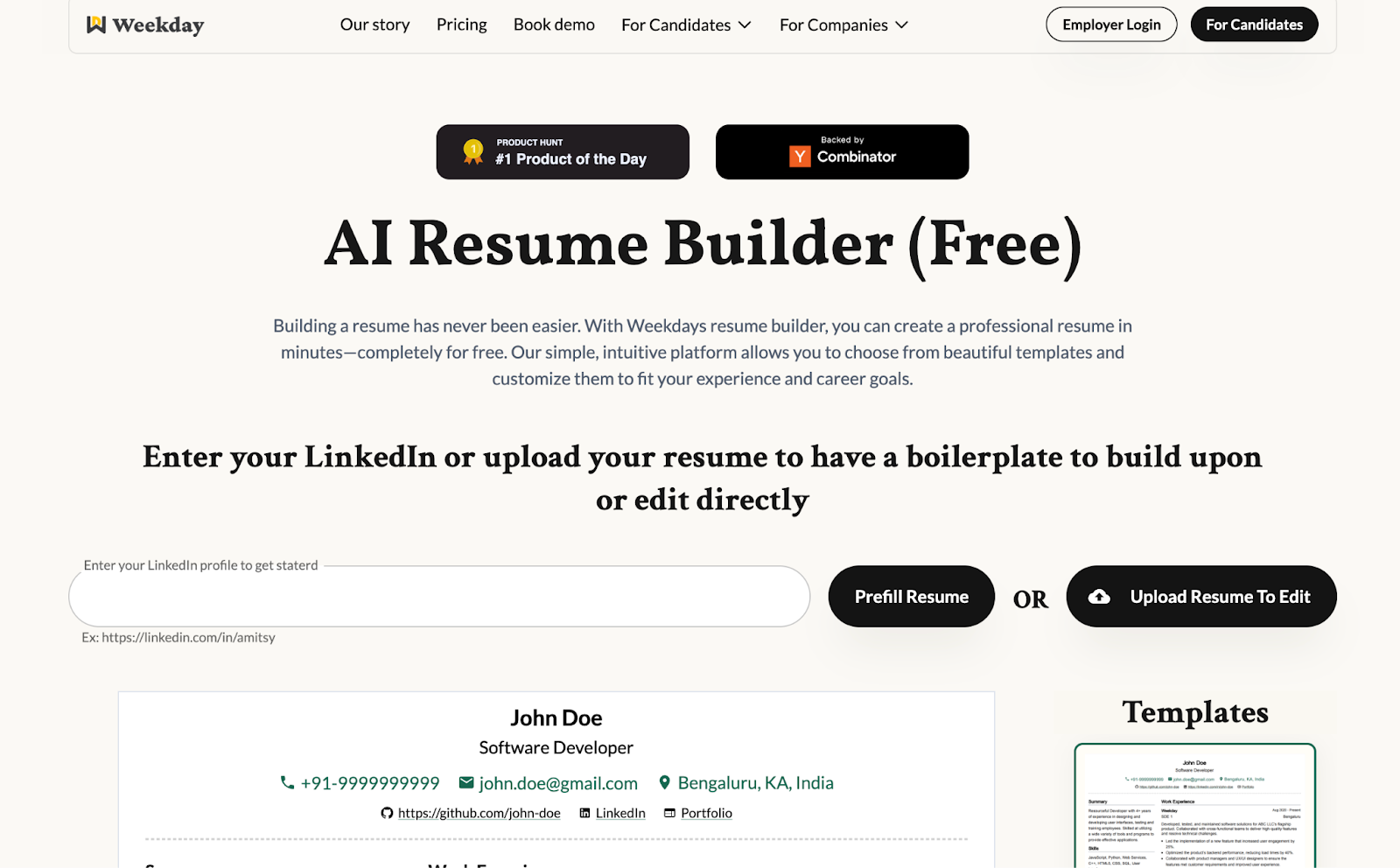
Our Resume Builder is designed to prioritise impact placement — making sure your strongest achievements stay above the fold while keeping formatting clean.
It helps you avoid the classic mistake: spilling into page two because of spacing issues instead of substance.
And once you’re done, browse relevant roles here.
Then research company culture and expectations here.
If you want to tailor faster while applying, our Chrome extension can help optimize your resume on the fly.
Final Verdict
Can a resume be two pages?
Yes.
But only if:
- You have enough relevant experience
- Every bullet adds value
- Page one carries the weight
- Formatting is clean and ATS-friendly
A two-page resume doesn’t hurt you. An unfocused resume does.
And if you’re early in your career? One page is probably still your strongest move.
If you’re mid-to-senior level? Two pages — done well — is completely professional.
The goal isn’t shorter. It’s sharper.