.svg)
.jpg)
Let’s get this out of the way early: most people mess this up not because it’s hard, but because advice online is either outdated or painfully vague.
Some people still tell you to:
- Add “References available upon request”
- Create a whole page of references and attach it everywhere
- Or worse, paste your manager’s phone number straight onto your resume
None of that helps you get hired in 2026. This guide will show you when references actually matter, how to list them correctly, and what recruiters expect today - with examples you can copy without feeling cringe.
Do You Even Need to Put References on Your Resume?
Short answer: No. And sometimes yes. Here’s the real rule recruiters follow (but don’t say out loud):
- Do NOT include references on your resume unless:
- The job posting explicitly asks for them
- You’re applying through a form that has a “References” section
- You’re in academia, government, or very traditional roles
For tech, product, marketing, design, analytics, startups, and most corporate roles, references are usually:
- Asked after interviews
- Or during background verification
- Or right before the offer
Adding them too early just wastes space and can even hurt clarity.
What to Do Instead (This Is Important)
Your resume’s job is simple: Get you the interview. References come after that.
So your resume should focus on:
- Skills
- Impact
- Results
- Clear experience
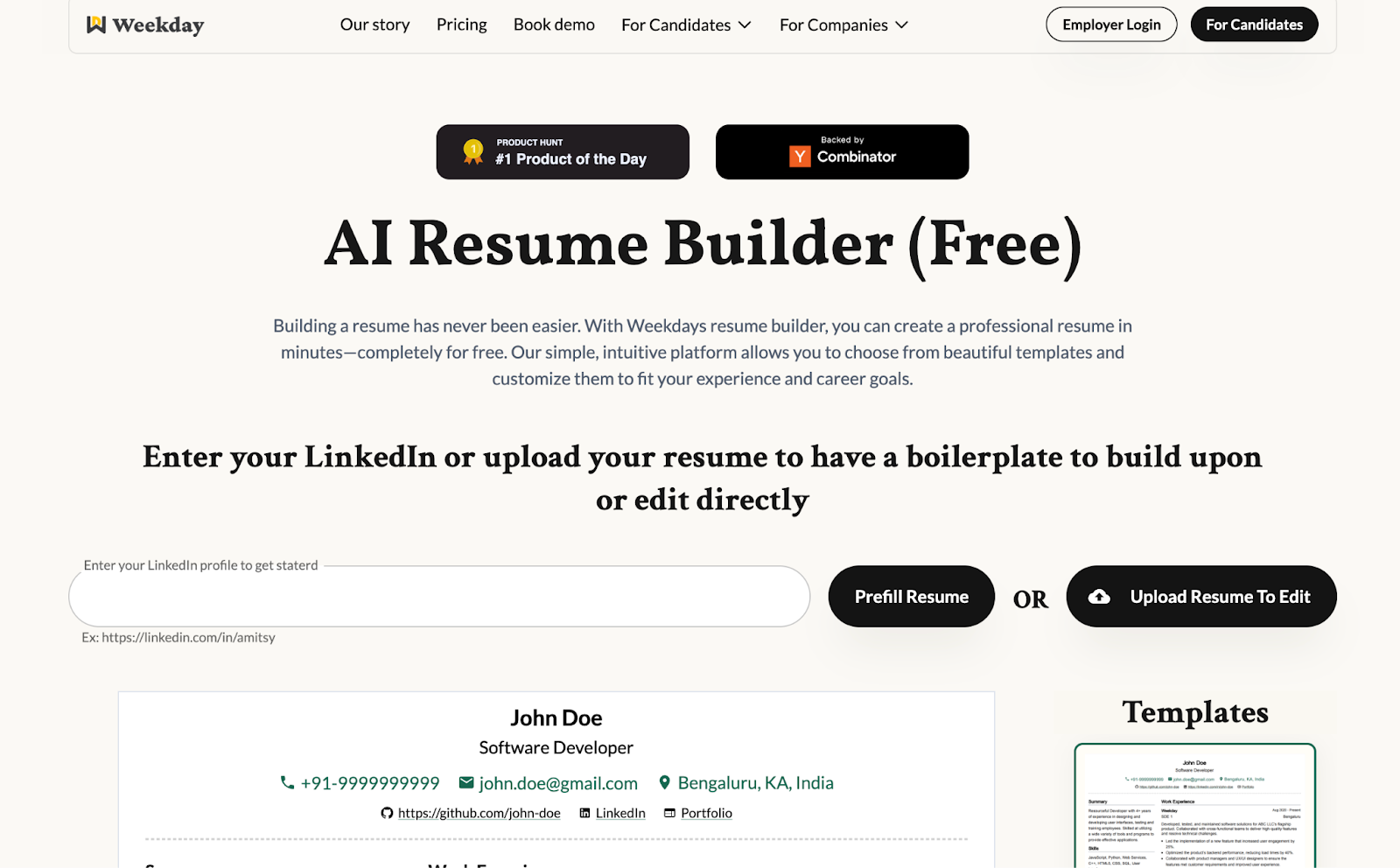
If your resume isn’t strong yet, fix that first. Tools like Weekday’s Resume Builder make this easy:
👉Weekday Resume Builder
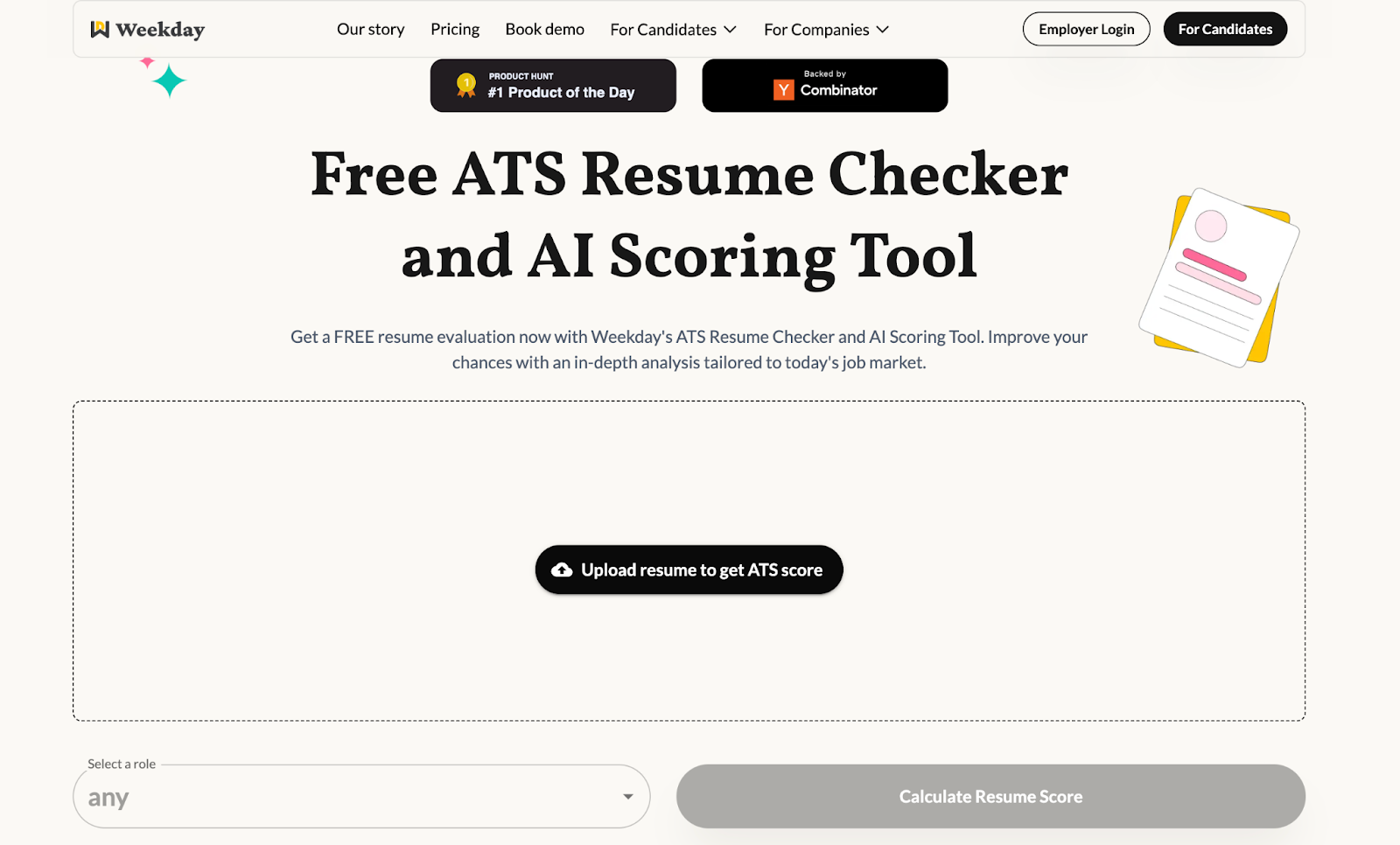
You can also quickly sanity-check your resume using:
👉Weekday Resume Checker and Scoring Tool
If your resume isn’t interview-ready, references won’t save it.
When You ARE Asked for References, What’s the Right Format?
If a company asks for references, do not paste them into your main resume.
Create a separate reference sheet.
Yes, a separate document. Recruiters expect this.
Correct Reference List Format
Use the same header as your resume (name, email, phone, LinkedIn). Then list references like this:
Reference Name
Title
Company
Relationship to You
Email
Phone Number
Example (Copy-Paste Friendly)
Ankit Sharma
Senior Product Manager
Flipkart
Former Manager
ankit.sharma@email.com
+91 9XXXXXXXXX
Keep it clean. No paragraphs. No backstories.
How Many References Should You List?
This is where people overdo it.
- 2–3 references is ideal
- 4 max, if explicitly requested
- Never 1 (looks weak)
- Never 6 (looks desperate)
Quality > quantity.
Who Makes a GOOD Reference (And Who Doesn’t)
Good References
- Direct manager
- Skip-level manager
- Senior teammate you worked closely with
- Client or stakeholder (for consulting, sales, PM roles)
Bad References
- Friends
- Family
- HR who barely knows you
- Someone you worked with for two weeks
- Anyone you haven’t spoken to in years
If you’re early in your career, a college professor or internship manager is completely acceptable.
Always Ask Before Listing Someone
This is non-negotiable.
A simple message works:
“Hi ___, I’m applying for roles in ___ and wanted to check if you’d be comfortable being a reference for me. Totally okay if not.”
If they hesitate, don’t use them. A half-hearted reference can quietly kill an offer.
Should You Ever Write “References Available Upon Request”?
No. Recruiters already assume that. It wastes space. It signals outdated advice. If your resume still has this line, remove it.
How Recruiters Actually Use References
This is what most candidates don’t realize:
- References are rarely used to compare candidates
- They’re used to de-risk a final decision
- Recruiters mostly look for:
- Red flags
- Confirmation of role and impact
- Work ethic and collaboration
They’re not expecting perfection. They’re checking consistency.
How This Fits Into Your Job Search (The Bigger Picture)
References are the last 5% of the hiring funnel. The real work happens earlier:
- Finding the right roles
- Getting your resume noticed
- Applying consistently
Quick Checklist Before You Submit References
Before sending your reference list, check this:
- Same formatting as resume
- Updated contact details
- People know you’re applying
- Roles and dates align with your resume
- You’ve tailored references to the role (yes, that’s a thing)
Common Reference Mistakes That Cost Offers
- Listing someone without telling them
- Using a reference who left the company on bad terms
- Giving outdated phone numbers
- Mixing personal and professional references
- Submitting references too early
Avoid these and you’re already ahead of most candidates.
More Resume & Job Search Guides from Weekday
If this helped, you’ll probably find these useful too:
- Resume formats for Gap Year
- How to write Resumes with No Experience
- How to Get a Job with Cold Emailing?
You’ll find all of these on the Weekday blog, along with tools built specifically for job seekers who want practical advice - not generic fluff.