.svg)
.jpg)
Let’s be honest. Writing your first resume feels like trying to build a rocket with nothing but cardboard and glue. You look at the blank page and think “What on earth do I put here?” If you’ve never had a job, an internship, or a “real” experience, you’re in the right place. This guide takes you from I have nothing to I have something employers want to read.
We’re going step by step, as if I’m sitting next to you pouring coffee and helping you draft this.

1. Think of Your Resume as a Story, Not a List
Most people think a resume is a chronological list of jobs. Not when you’re just starting out.
Instead, think of your resume as your personal highlight reel - the parts of your life that show you can learn, contribute, and succeed. Employers care about potential, not just past pay slips.
So your mission? Show value from what you have done, not just what you haven’t.
If staring at a blank document feels overwhelming, starting with a simple, structured template can help you focus on content instead of formatting:
https://www.weekday.works/resume-builder
2. Start With a Header and a Clear Objective
At the very top, put:
- Your full name
- Phone number (use WhatsApp-friendly if you’re in India)
- Professional email (your.name@ …)
- LinkedIn or portfolio link (even if it’s simple)
Then comes the secret sauce:
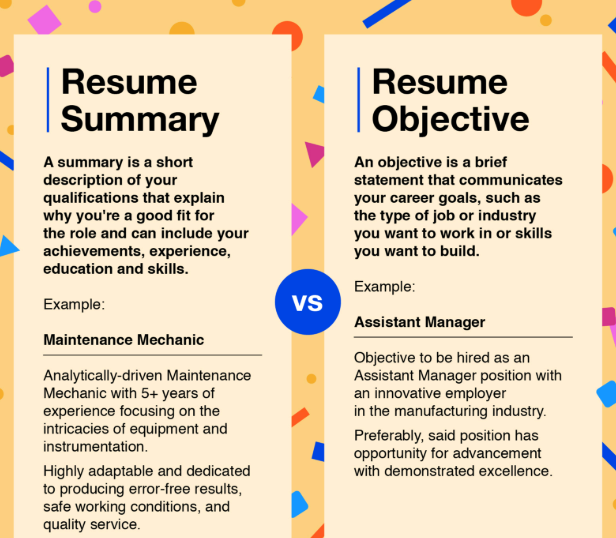
Resume Objective
This is NOT a life story. It’s a short 2-3 sentence pitch on who you are and why you’re a fit.
Example:
Student with strong communication and teamwork skills, eager to apply classroom learning and volunteer experience to an entry-level role in customer service.
This tells recruiters “I’m motivated and I already have useful skills” - even without work experience.
3. Highlight Education and Anything You’ve Done That Shows Skill
If you don’t have jobs yet, your education becomes your superpower.
Instead of just listing school name and dates, add:
- GPA or grades if they’re good
- Relevant courses
- Projects or group assignments that show skill
- Competitions or extra classes
For example:
Education
Bachelors in Business Administration
- Coursework: Marketing, Accounting, Business Communications
- Led a group research project on consumer behavior in local markets
This turns “no experience” into actual accomplishments.
4. Swap “Experience” for Activities That Matter
You might not have worked, but you probably have experiences worth listing. This is where most resumes start to look awesome, even with zero jobs on them.
Here’s what you can include:
Volunteer work – helped organise events, managed funds, taught younger students.
Clubs and societies – leadership, teamwork, organising things.
Personal projects – websites, apps, blogs, art portfolios.
School assignments that show real skills.
Treat these like jobs. Each should have:
- What you did
- How you did it
- A result (even a small one)
Example:
Volunteer Tutor, Local Community Center
- Taught math to 10 middle school students once a week
- Improved class average scores by 15%
That looks a whole lot more real than “No experience.”
5. Put Your Skills in the Spotlight
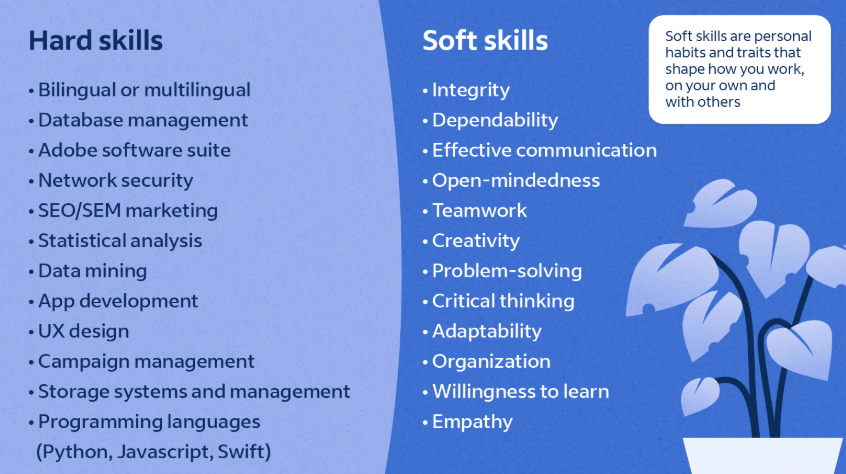
Skills are gold when you have no job experience. Break them into two types:
Hard Skills
These are measurable:
- Excel / Google Sheets
- Photoshop
- Social media management
- Programming basics
Soft Skills
These are transferable:
- Communication
- Teamwork
- Time management
- Problem solving
Make sure every skill you list has some proof - something you did or learned.
Once your resume is drafted, it helps to check whether those skills actually match what employers are scanning for:
https://www.weekday.works/resume-checker-and-scoring-tool
6. Use a Resume Format That Works for You
When you have no experience, traditional formats can bury your best stuff. So instead of a rigid reverse chronological list, go for a skills-focused layout with:
- Header + Objective
- Education
- Skills
- Projects / Activities
- Volunteer / Clubs
This lets your strongest sections shine first.
If you’re unsure how to structure this or don’t want to fight with spacing and alignment, using ready-made resume templates can save a lot of time.
7. Polish, Proofread, and Tailor Your Resume for Every Job
Here’s where you separate “generic” from “impactful.”
- Tailor your resume to match the job description (use the exact words employers use).
- Keep it clean and easy to read, with bullets and action words.
- Always proofread - grammatical errors kill credibility.
Pro tip: Give it to a friend to read aloud. If they stumble, you fix it.
8. Bonus: Add a Simple Cover Letter
When you don’t have experience, a short cover letter tells your story in your voice. It lets you explain why you’re excited and what you’re learning.
Think of it as a friendly letter, not an essay
Final Tip: Don’t Let “No Experience” Scare You
Everyone starts here. Most jobs today don’t require years of experience - they want people who can learn, show initiative, and contribute fast. Your resume shouldn’t be a confession of experience you don’t have. It should be a pitch for the potential you do have.
Once you’re ready, apply selectively and focus on roles that truly match your skills and interests:
https://jobs.weekday.works/?jobsTab=search