.svg)
.jpg)
Most resumes fail for one simple reason.
They describe work. They do not show impact.
Hiring managers do not want to know what you were responsible for. They want to know what changed because you were there. The fastest way to show that is by quantifying your achievements.

This guide breaks down:
- What quantifying achievements actually means
- How to do it even if you think you “don’t have numbers”
- Before and after resume examples
- Common mistakes to avoid
- How to structure quantified bullet points using a free resume builder
What Does “Quantifying Achievements” Mean?
Quantifying achievements means using numbers, outcomes, and scale to show the impact of your work.
Instead of saying:
Worked on social media marketing
You say:
Increased Instagram engagement by 42 percent in 3 months by testing new content formats
The second version answers questions recruiters care about:
- How much impact?
- Over what time?
- Because of what action?
This makes your resume easier to scan and harder to ignore.
Why Recruiters Prefer Quantified Resumes
Recruiters skim resumes in seconds. Numbers help them decide faster.
Quantified bullet points:
- Signal credibility
- Show business awareness
- Make performance comparable across candidates
- Stand out in ATS keyword scans
This is why resumes with clear metrics consistently perform better in interviews and shortlisting.
The Simple Formula to Quantify Any Resume Bullet
Use this structure:
Action + What You Did + Metric + Context
Example:
Led customer onboarding calls
Becomes:
Led 30 plus customer onboarding calls per month, reducing average activation time by 25 percent
If you remember only one thing, remember this formula.
“I Don’t Have Numbers” Is Usually Not True
Most people actually have numbers. They just have not been trained to see them.
Here are places to look:
Volume
- Number of users, clients, files, tickets, campaigns
- Frequency per week or month
Example:
Handled customer queries
→ Handled 40 to 50 customer queries daily with a 95 percent resolution rate
Growth or Change
- Increase or decrease over time
- Before vs after
Example:
Improved website performance
→ Improved page load speed by 35 percent, reducing bounce rate by 18 percent
Time
- Faster delivery
- Reduced delays
Example:
Streamlined reporting process
→ Streamlined monthly reporting, reducing turnaround time from 3 days to 1 day
Money
- Revenue, savings, budgets
- Even approximate ranges are fine
Example:
Helped with vendor negotiations
→ Supported vendor negotiations that reduced annual costs by approximately 12 percent
If you are unsure of exact numbers, reasonable estimates are acceptable. Recruiters care more about clarity than perfection.
Before and After Resume Examples
Example 1: Marketing
Before:
Managed email marketing campaigns
After:
Managed weekly email campaigns sent to 25,000 plus users, improving open rates from 18 percent to 27 percent
Example 2: Operations
Before:
Coordinated internal processes
After:
Coordinated cross-team processes across 5 teams, reducing operational delays by 20 percent
Example 3: Fresher or Intern
Before:
Worked on data analysis
After:
Analyzed 10,000 plus data points using Excel to identify trends that informed weekly reporting
Even student projects and internships can and should be quantified.
Common Mistakes to Avoid
- Stuffing numbers without context
- Using vague metrics like “significant” or “many”
- Listing tools instead of outcomes
- Repeating the same metric in every bullet
Bad example:
Used Excel, SQL, and PowerPoint extensively
Better:
Used Excel and SQL to analyze weekly sales data and present insights to senior stakeholders
How to Structure Quantified Bullets Easily
If this feels hard to do manually, tools help.
Using the Weekday Resume Builder, you can:
- Turn responsibilities into impact-driven bullet points
- Structure bullets using recruiter-friendly formats
- Ensure ATS-friendly formatting
- Rewrite weak bullets into quantified achievements
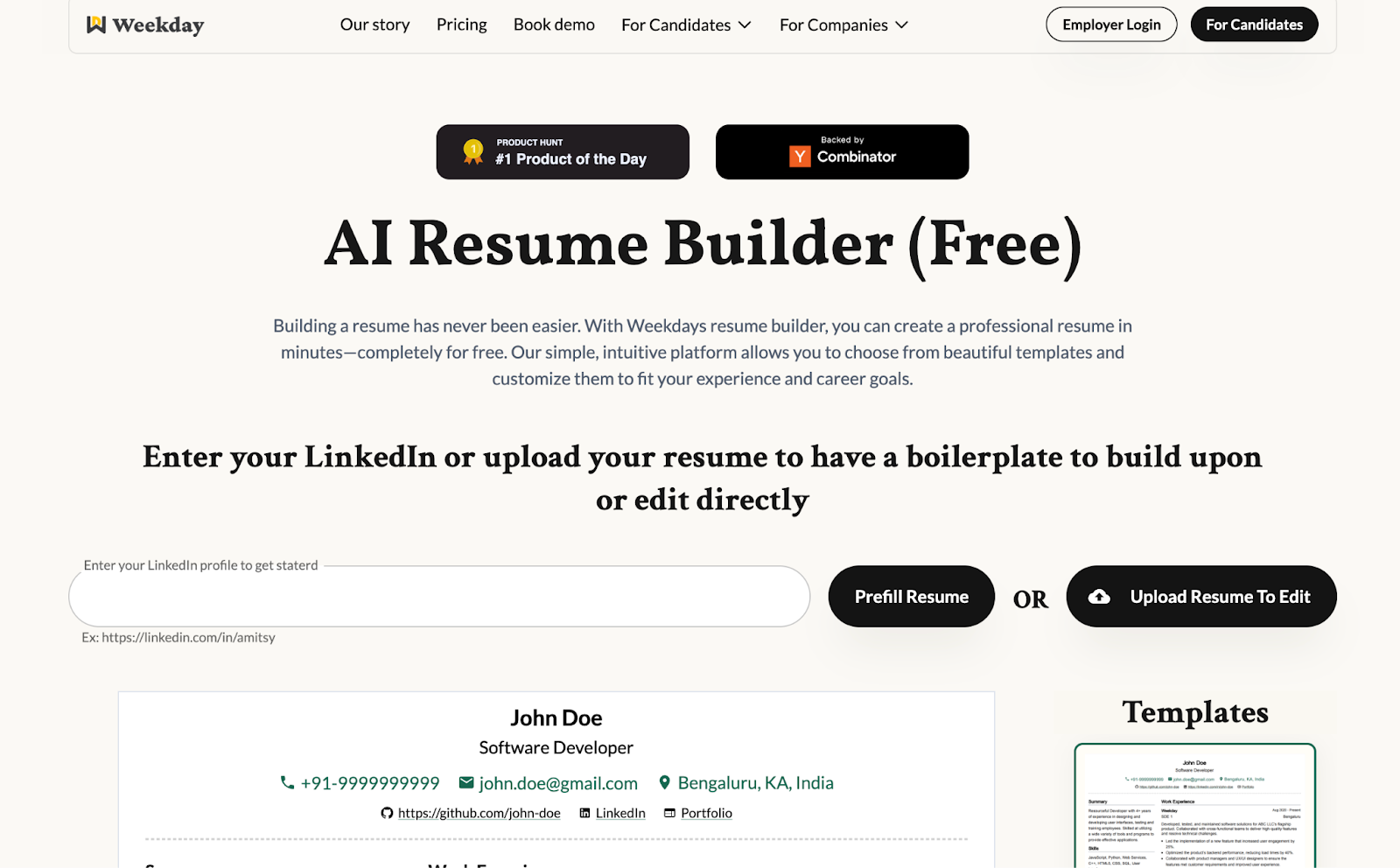
You can try the free resume builder here:
Free Resume Builder
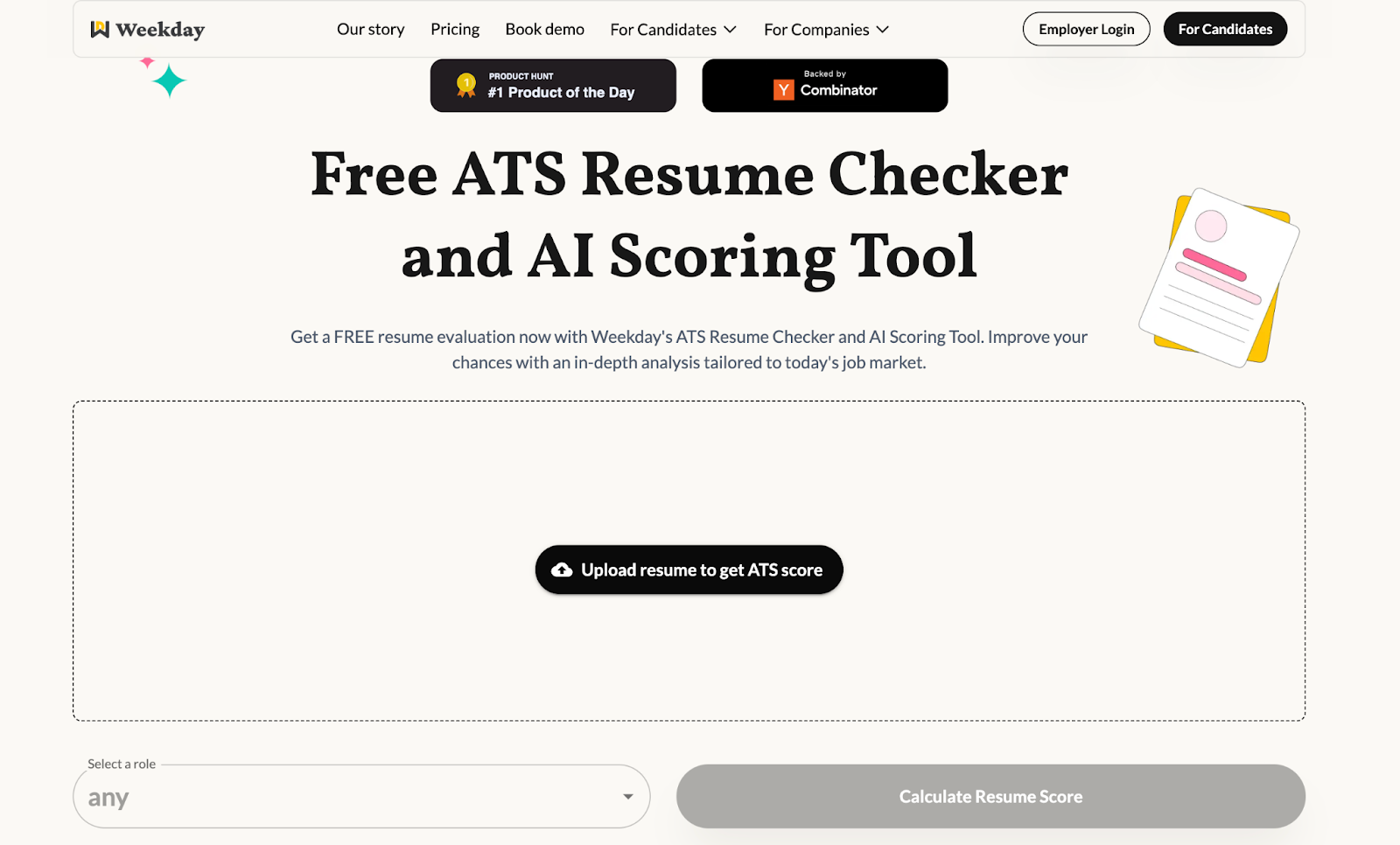
If you already have a resume, you can also check how strong it is using the resume checker:
Free Resume Checker and ATS Scoring Tool
Final Checklist Before You Submit Your Resume
Before applying, ask yourself:
- Does every role have at least one number?
- Can someone understand my impact in under 10 seconds?
- Did I show outcomes, not just tasks?
If the answer is no, your resume still has room to improve.
Quantifying achievements is not about exaggeration. It is about clarity. When you show what changed because of your work, recruiters listen.
Read more from Weekday on resumes & job search
If this helped, you’ll like these too:
- Resume formats for Gap Year
- How to write Resumes with No Experience
- How to Get a Job with Cold Emailing?
Explore more on the Weekday blog and tools here.