.svg)
.jpg)
Most resume advice sounds the same. Use action verbs. Keep it to one page. Add numbers.
That advice is not wrong, but it is incomplete.

A good resume is not about following rules. It is about helping a tired recruiter quickly answer one question:
“Should I talk to this person?”
If your resume makes that answer easy, you win. If it makes them work, they move on.
This guide is written from the point of view of someone on the other side of the screen. The recruiter, hiring manager, or founder who is scanning dozens of resumes a day.
First, Understand What a Resume Is (and What It Is Not)
A resume is not your life story.
It is not a certificate collection.
It is not a list of everything you have ever done.
A resume is a short document that explains why you are a good fit for one specific role.
That mindset alone will instantly improve your resume.
Weekday’s Resume Builder
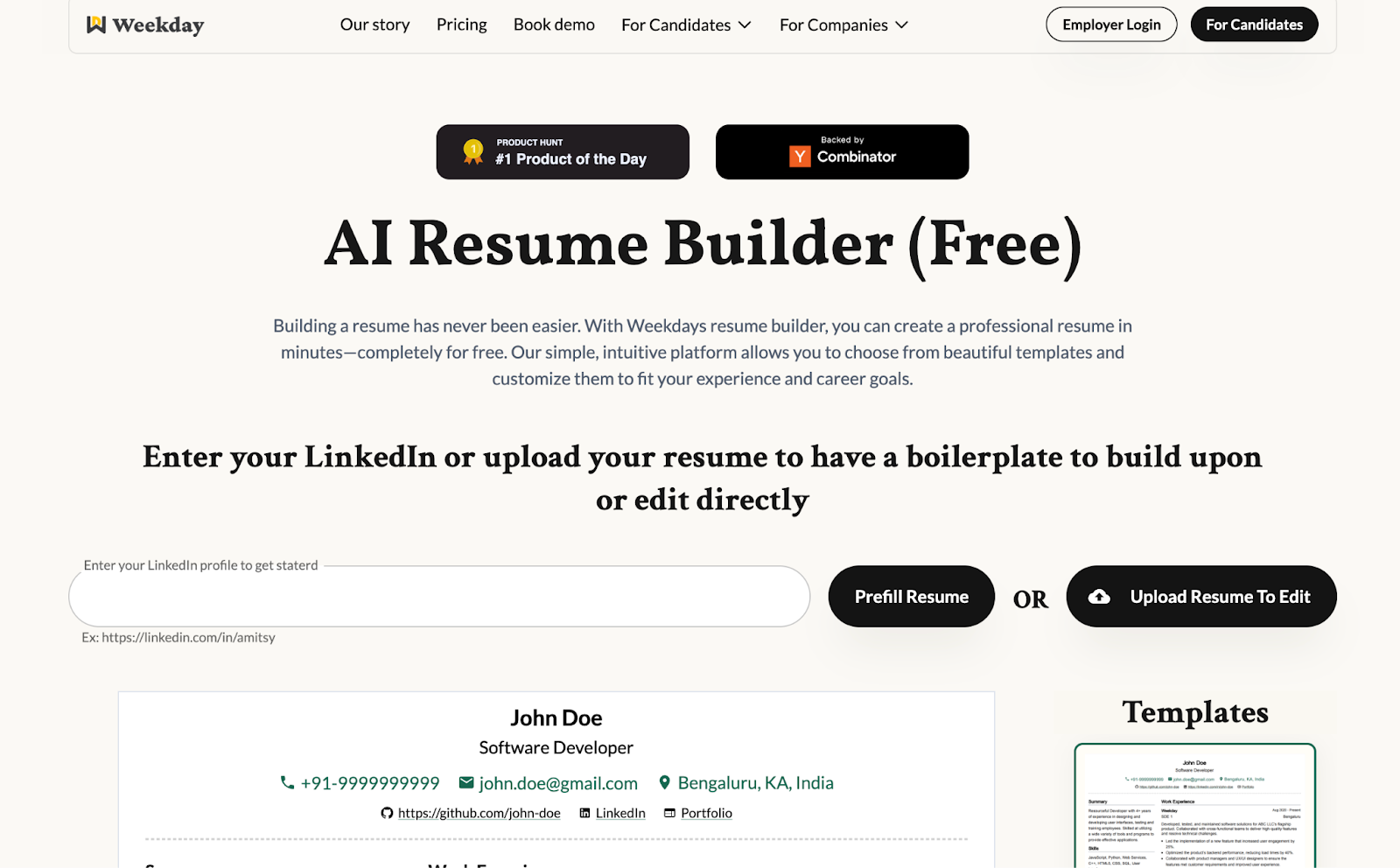
If you are starting from scratch or struggling with structure, using a clean, role-focused format from a resume builder can save time and help you stay focused on what actually matters:
https://www.weekday.works/resume-builder
Start With the Basics, But Do Them Cleanly
Header
Your header should be boring, clear, and professional.
Include:
- Your full name
- Phone number
- Professional email address
- LinkedIn profile if it is updated
That is it. No photos unless explicitly required. No fancy design. No quotes.
If a recruiter cannot immediately see how to contact you, your resume fails at step one.
Write a Summary Only If You Can Say Something Useful
A summary is optional. A bad summary hurts more than no summary.
If you include one, keep it to two or three lines and answer these questions:
- What do you do?
- What are you good at?
- What kind of role are you looking for?
Good example:
“I am a product analyst with three years of experience working on user growth and retention. I specialise in data analysis, experimentation, and stakeholder communication.”
Bad example:
“Highly motivated self starter with a passion for excellence.”
If your summary sounds like it could describe anyone, remove it.
Tailor Your Resume Every Single Time
This is the part most people skip, and it is the reason most resumes do not work.
Recruiters are not hiring “a smart person”. They are hiring for a specific role with specific problems.
Read the job description carefully. Then:
- Mirror the language they use
- Highlight experience that matches their requirements
- Remove or downplay irrelevant work
You do not need a completely new resume each time. Small changes make a big difference.
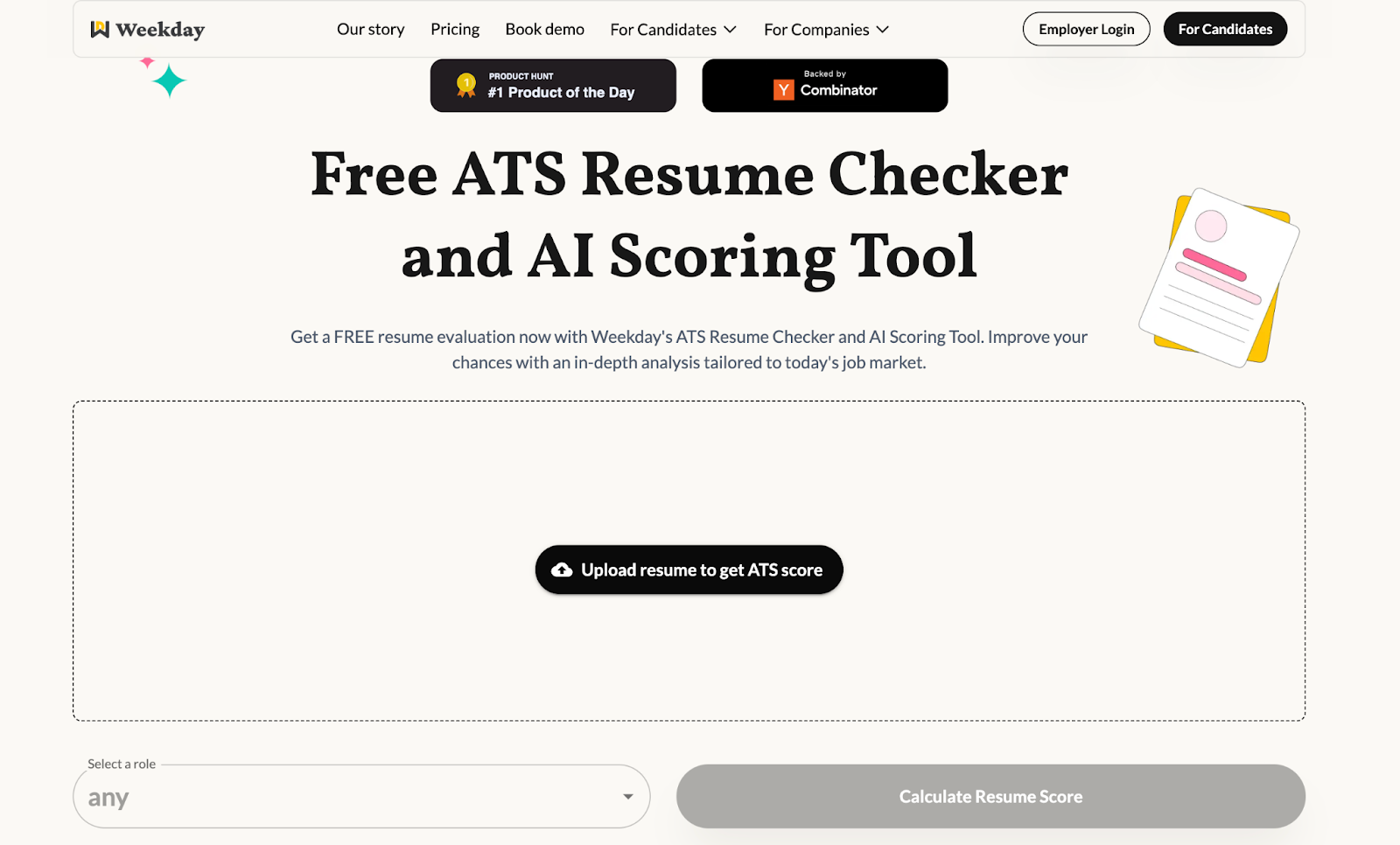
A quick way to check whether your resume actually matches a job description is to run it through an ATS-style scan and see what keywords or gaps you are missing:
https://www.weekday.works/resume-checker-and-scoring-tool
Your Work Experience Is the Most Important Section
This is where most resumes go wrong.
Do Not List Responsibilities
Anyone can copy job responsibilities from a job description. That does not tell the reader anything.
Instead, focus on outcomes and impact.
Bad example:
“Responsible for managing social media accounts.”
Better example:
“Managed Instagram and LinkedIn accounts, increasing engagement by 45 percent over six months.”
If someone else did your exact job, would their bullet points look the same?
If yes, you need to rewrite them.
Numbers Matter More Than Fancy Words
Numbers make your resume believable.
You do not need to quantify everything, but add numbers wherever possible.
Examples:
- Increased conversion rate by 12 percent
- Reduced manual work by 8 hours per week
- Handled 30 to 40 customer queries daily
- Worked with a team of 5 engineers
Even rough estimates are better than none.
Keep the Formatting Simple and Scannable
Recruiters skim before they read.
Your resume should be easy to scan in 10 seconds.
Follow these rules:
- Use one page if you have under 8 to 10 years of experience
- Use clear section headings
- Use bullet points, not paragraphs
- Use a standard font like Arial or Times New Roman
- Save and send as a PDF
Avoid heavy graphics, icons, and multiple columns unless you are in a design role.
Skills Section Should Support Your Experience
Do not dump every skill you have ever heard of.
Your skills section should reinforce what your experience already shows.
Group skills logically, for example:
- Tools
- Technical skills
- Soft skills only if relevant
If you list a skill, be prepared to talk about how you used it.
Education and Projects Still Matter (Especially Early Career)
If you are a student or early in your career, projects can carry a lot of weight.
Include:
- Relevant coursework
- Academic projects
- Internships
- Side projects
Explain what you did and what the outcome was, not just the title.
Common Mistakes That Quietly Kill Resumes
- Spelling and grammar errors
- Using vague words like hardworking, passionate, go getter
- Sending the same resume to every job
- Making the resume too long
- Including irrelevant personal details
These mistakes are easy to fix and surprisingly common.
Before You Send Your Resume, Check This
Ask yourself:
- Can someone understand my profile in 15 seconds?
- Does my experience clearly match this role?
- Are my strongest points easy to spot?
- Would I call myself for an interview if I were hiring?
If the answer is no, revise it.
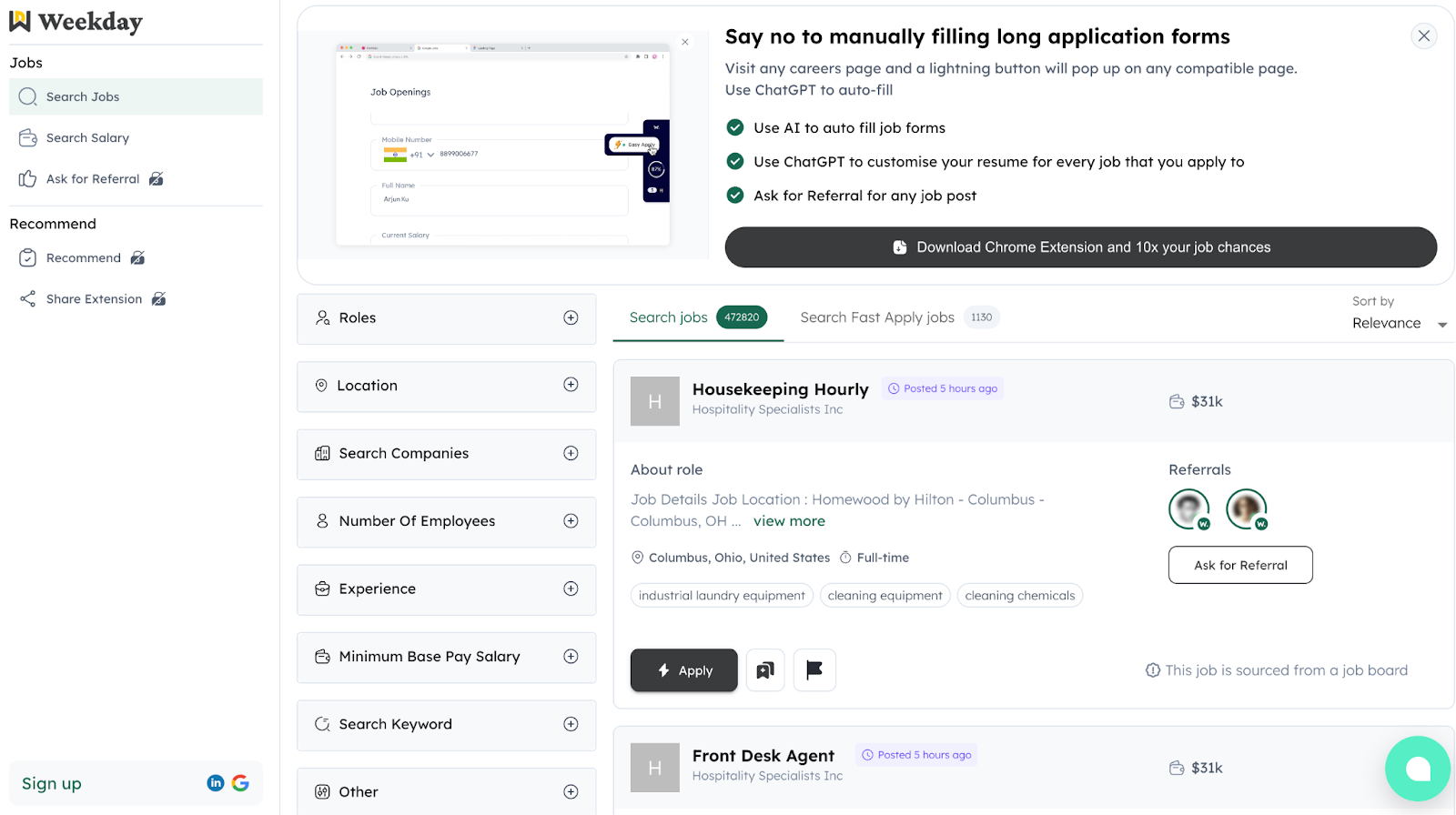
Once your resume is ready, you can start applying to relevant roles directly instead of sending it blindly everywhere:
https://jobs.weekday.works/?jobsTab=search
Final Thought
A good resume is not about being perfect. It is about being clear.
Clarity beats creativity.
Specific beats impressive - sounding.
Relevant beats everything.
If your resume makes the recruiter’s job easier, you are already ahead of most applicants.