.svg)
.jpg)
Let’s be honest. Most advice on resumes sounds like it was written by someone who has not applied for a job in the last 10 years.
“Keep it concise.”
“Highlight achievements.”
“Tailor it to the role.”
All true. Also wildly unhelpful unless someone shows you how to actually do it.

This guide is written for real people. People staring at a blank document. People who are confused about what to write, what to cut, and whether their resume is good enough. By the end of this post, you will know exactly what to put in every section of your resume, why it matters, and how to write it with examples you can copy and adapt.
First, what a resume is actually supposed to do
A resume has one job. Get you an interview. Not explain your life story. Not prove you are hardworking. Not show everything you have ever done.
Recruiters scan resumes in 6 to 8 seconds. Applicant Tracking Systems scan them even faster. Your resume needs to quickly answer three questions:
- Can you do this job?
- Have you done something similar before?
- Is it easy to understand your experience?
Everything you include should help answer these questions.
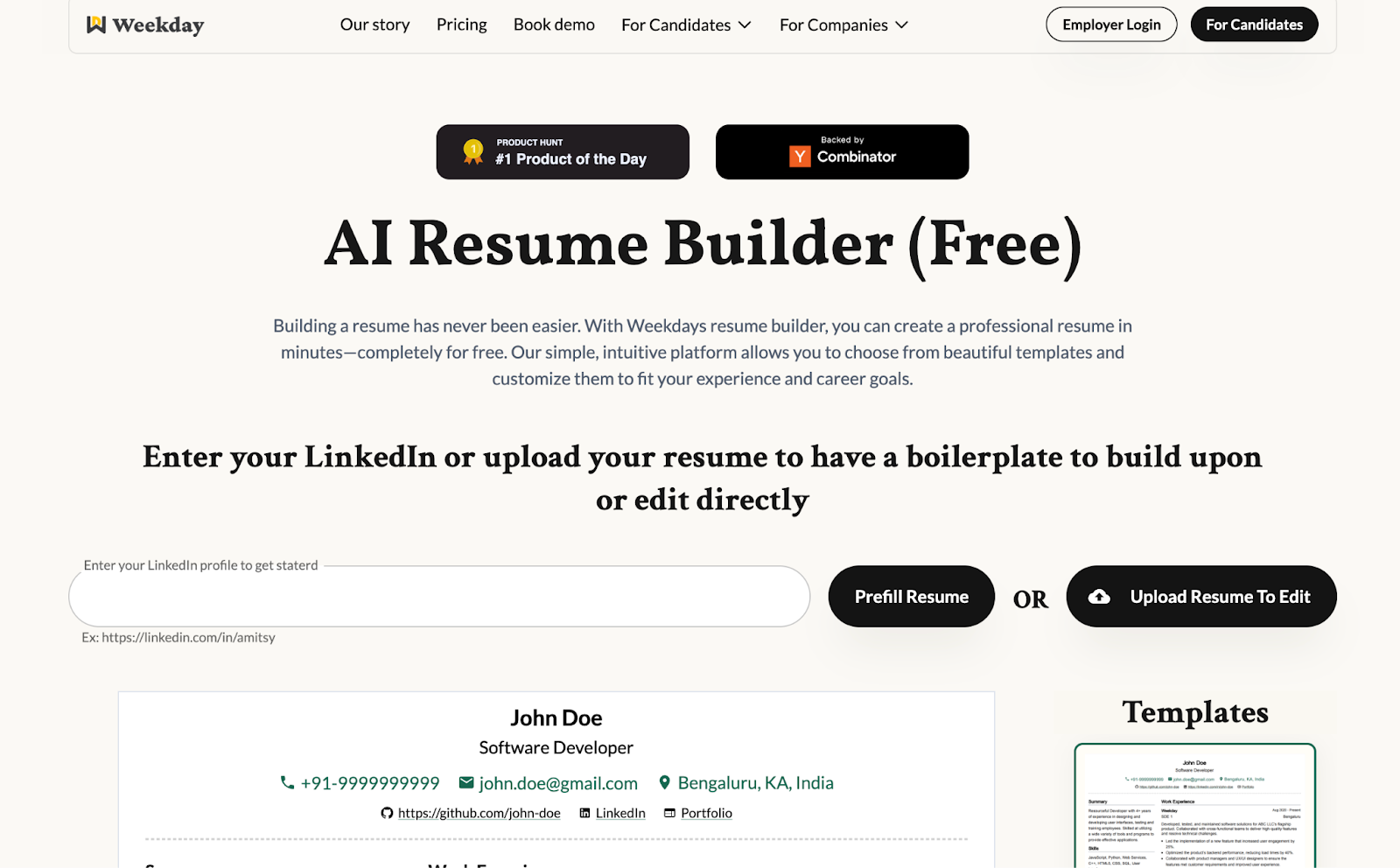
If you want to avoid overthinking structure and formatting while doing this, starting with a clean base using a resume builder can make the process much easier:
https://www.weekday.works/resume-builder
The ideal resume structure (this works for most roles)
For most people, especially early to mid career professionals, this structure works best:
- Header
- Professional summary
- Skills
- Work experience
- Education
- Optional sections
Let’s go through each one with examples.
1. Resume header (keep it clean and boring)
Your header is not the place to get creative.
What to include
- Full name
- Phone number
- Professional email address
- City and country
- LinkedIn profile or portfolio if relevant
What not to include
- Full home address
- Date of birth
- Photo unless the job or country specifically requires it
- Personal details like marital status
Example
John Doe
Product Analyst
Bengaluru, India
+91 9XXXXXXXXX
john@email.com
linkedin.com/in/john
That’s it. Simple works.
2. Professional summary (the most underrated section)
This is the first thing a recruiter reads. Or the only thing.
A good summary tells them who you are, what you do, and what you are good at in 3 to 4 lines.
Formula that actually works
- Your current role or identity
- Your years of experience or level
- Your key skills or domain
- The kind of roles you are targeting
Bad example
Hardworking and motivated professional seeking a challenging role where I can grow and learn.
This says nothing.
Good example
Product Analyst with 1.5 years of experience working directly with founders to improve user retention and conversion. Strong in SQL, funnel analysis, and experiment design. Looking to transition into an Associate Product Manager role in a fast growing tech company.
Specific. Human. Clear.
3. Skills section (optimize this for scanning)
Skills help both recruiters and ATS understand what you bring to the table.
How to structure it
Group skills into categories instead of dumping everything in one line.
Example
Skills
- Data Analysis: SQL, Excel, Google Sheets, Cohort Analysis
- Product: PRDs, User Stories, A/B Testing, Roadmap Planning
- Tools: Mixpanel, Amplitude, Jira, Figma
- Soft Skills: Stakeholder Communication, Problem Solving
Only list skills you are comfortable being asked about in an interview.
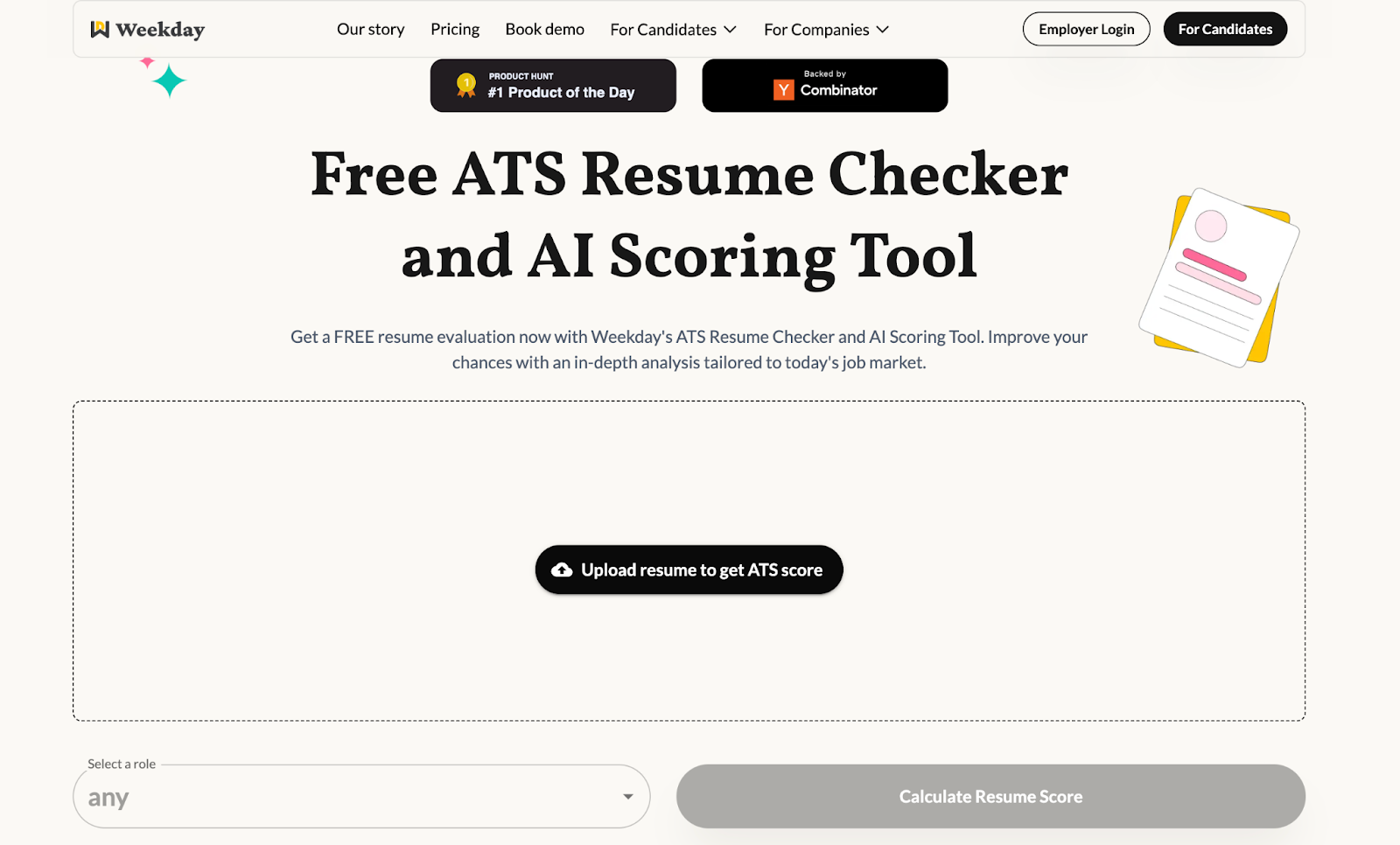
To make sure your skills section actually matches what companies are filtering for, it helps to scan your resume against real job descriptions:
https://www.weekday.works/resume-checker-and-scoring-tool
4. Work experience (this is where most resumes fail)
Most people list responsibilities. Recruiters care about impact.
The golden rule
Responsibilities tell what you did. Achievements show why it mattered.
Use this structure for each bullet
Action verb + what you did + how + result
Bad example
- Worked on dashboards
- Helped product team
- Analyzed data
This is vague and forgettable.
Good example
Product Analyst
ABC Tech | Jan 2024 – Present
- Built weekly product dashboards using SQL and Mixpanel, helping leadership track activation and retention metrics
- Analyzed drop offs in the onboarding funnel and recommended changes that improved activation by 12 percent
- Partnered with the CEO and product team to define success metrics for two new features before launch
See the difference? Clear actions. Clear outcomes.
5. Education (keep it relevant)
Your education section should be short and factual.
Example
Bachelor of Engineering in Computer Science
XYZ University | 2022
If you are a fresher, education can go above work experience. If you have work experience, keep it below. You can also add relevant coursework or academic projects if they directly relate to the job.
6. Optional sections (only if they add value)
These are not mandatory. Include them only if they strengthen your profile.
Examples
- Projects
- Certifications
- Publications
- Volunteer experience
- Awards
Project example
User Retention Analysis Project
- Analyzed retention data of a consumer app using SQL and Excel
- Identified key churn points and proposed feature improvements
- Created a presentation summarizing insights for non technical stakeholders
Projects are especially powerful if you have limited work experience.
Resume examples by career stage
Resume example for freshers
If you have no full time experience, focus on:
- Internships
- Projects
- Skills
- Education
Your resume should show potential and effort, not perfection.
Resume example for experienced professionals
If you have 1 to 5 years of experience:
- Work experience should take up most of the page
- Quantify results wherever possible
- Remove outdated internships and irrelevant details
Formatting tips that actually matter
- Stick to one page if you have less than 5 years of experience
- Use a clean font like Calibri, Arial, or Inter
- Use bullet points, not paragraphs
- Save and send your resume as a PDF unless stated otherwise
- Avoid fancy graphics if you are applying online
Simple resumes perform better than pretty ones.
Common resume mistakes to avoid
- Writing long paragraphs
- Using vague phrases like responsible for
- Listing every tool you have ever touched
- Spelling and grammar errors
- Sending the same resume to every job
Your resume should feel tailored, not generic.
Final checklist before you hit apply
Ask yourself:
- Can someone understand my role in 10 seconds?
- Are my achievements clear and specific?
- Does this resume match the job description keywords?
- Would I interview myself based on this resume?
If the answer is yes, you are in good shape.
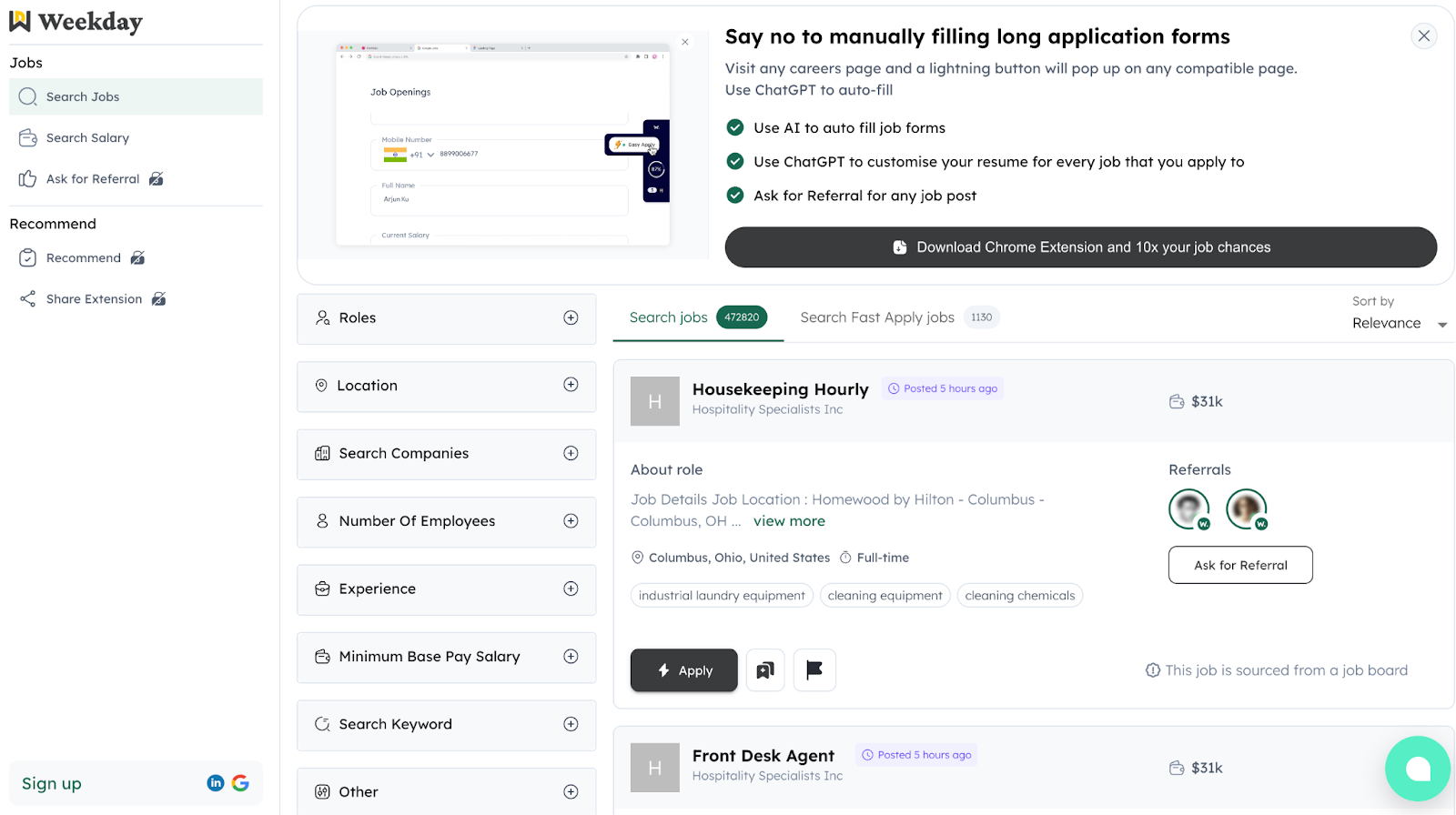
Once your resume is ready, apply selectively and research companies before sending it out:
https://jobs.weekday.works/?jobsTab=search
A good resume does not try to impress at first glance. It tries to be understood. When your experience is clear, structured, and easy to scan, both ATS systems and recruiters do their job better. Focus on clarity over cleverness, impact over noise, and relevance over volume. That is what gets you interviews.