.jpg)
You’re probably not imagining it.
InMails that used to get replies… don’t anymore.
Even well-written, personalised messages are getting ignored. And the data backs it, in a study of millions of outreach emails, only ~22% received replies, and half of those weren’t even positive
So what changed?

The Problem Isn’t Visibility - It’s Attention
Candidates are still opening messages.
But they’re:
- Skimming faster
- Ignoring anything generic
- Choosing what deserves a reply
And most outreach doesn’t make the cut. Short messages (under 400 characters) perform better, and personalisation can increase replies significantly but even then, results are inconsistent. Because the real issue isn’t just messaging. It’s volume and fatigue.
What Actually Moves the Needle
Across the data, a few patterns are clear:
- Relevance beats personalisation
Generic “personalisation” doesn’t work. Context does. - Follow-ups matter more than first messages
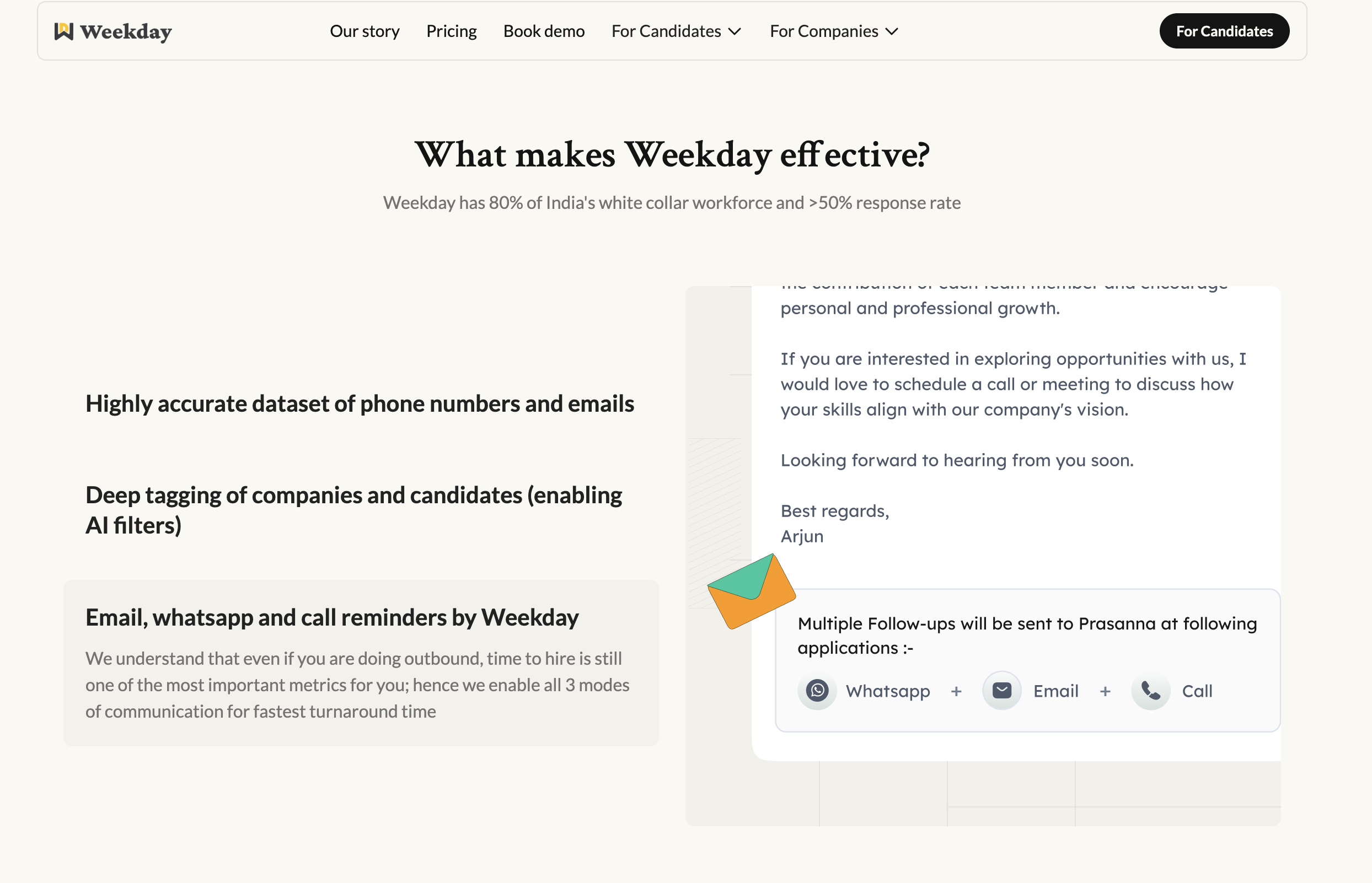
Most replies come after multiple touch points. - Multi-channel wins
LinkedIn alone isn’t enough anymore.
But even when done right, outreach has limits. Which is why many teams are quietly shifting away from relying on it entirely.
The Shift: From Outreach to Pipeline with Weekday
Instead of starting from scratch every time, high-performing teams:
- Work with pre-vetted candidate pools
- Build always-on pipelines
- Reduce dependency on cold outreach
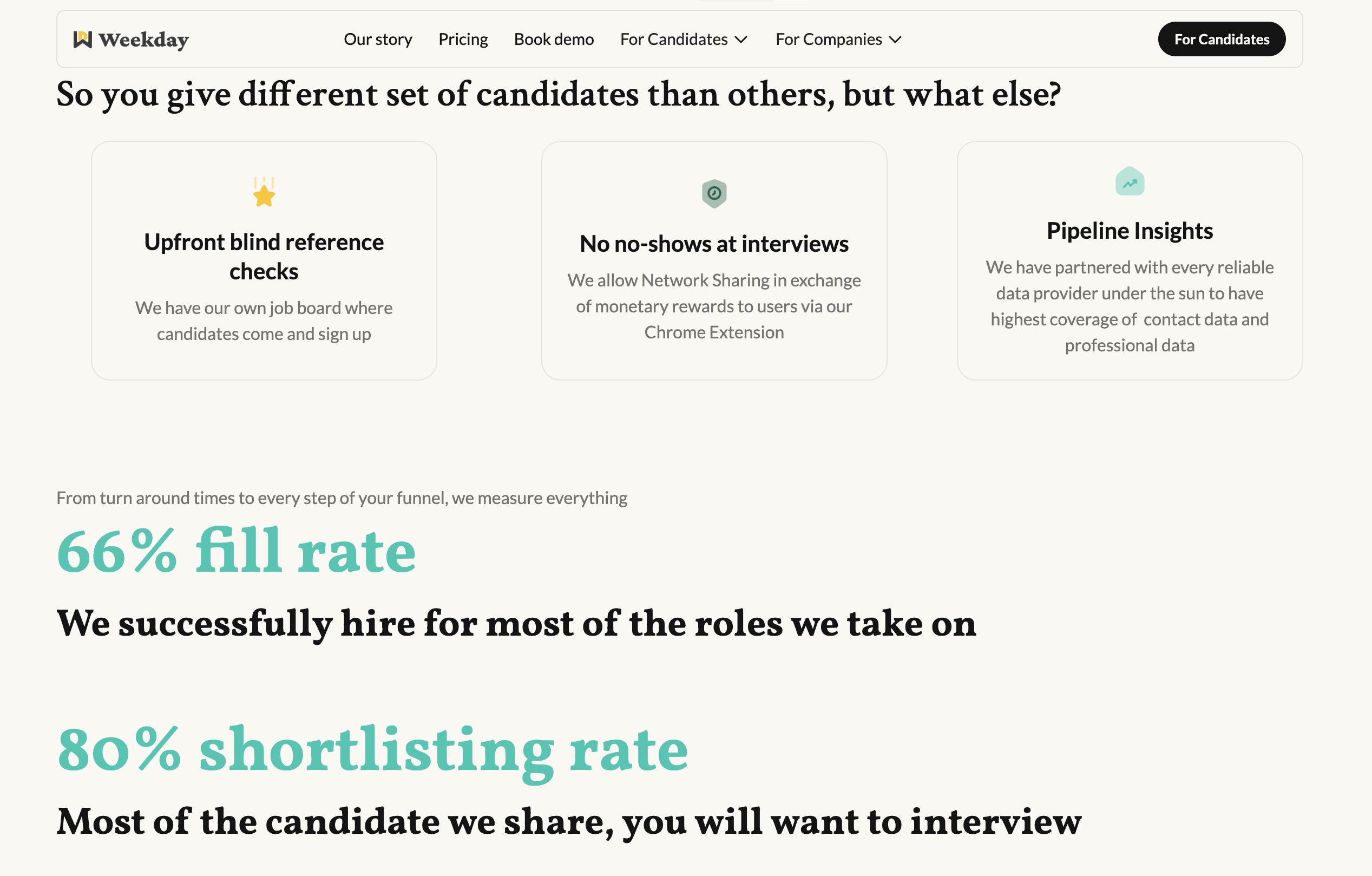
For example, having access to a curated talent pool, like what you get with Weekday’s subscription model removes the need to chase responses in the first place.
Execution Still Matters (A Lot)
Even with better pipelines, outreach isn’t going away.
It just needs to be done differently:
- Across channels
- With stronger context
- With consistent follow-ups
This is where most teams struggle, not strategy, but execution. That’s also why some companies choose to work with embedded recruiting support like Weekday Modern Recruiting Agency to actually run these workflows end-to-end.
Speed Is the Real Advantage
Hiring isn’t just about finding candidates.
It’s about how fast you can:
- Identify the right ones
- Evaluate them
- Move them through the funnel
Manual screening slows everything down.
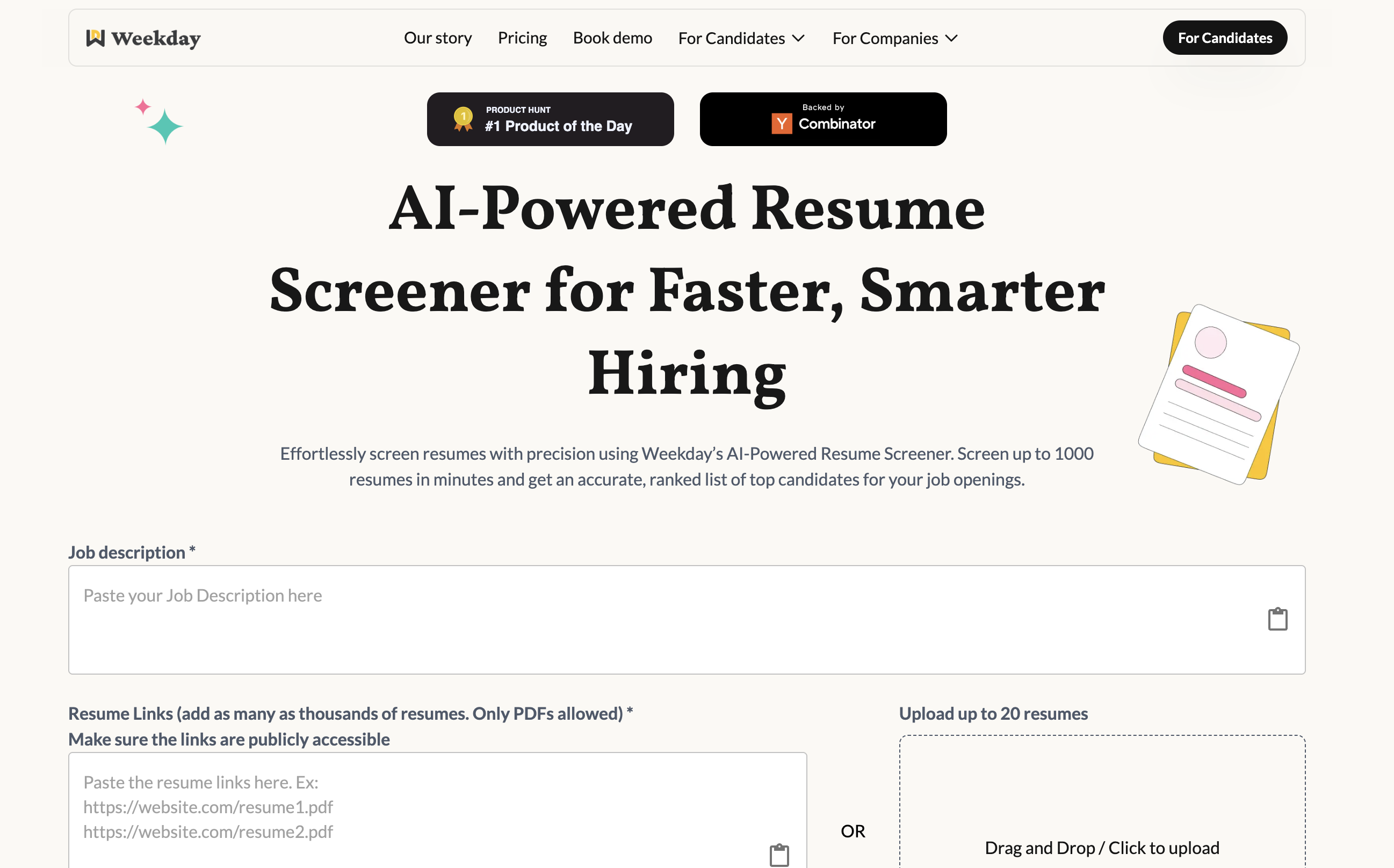
Using tools that can quickly filter relevant profiles like Weekday Resume Screener can significantly cut down time spent on low-signal applications.
So, Is InMail Still Worth It?
Yes but not without having a Weekday stack for support.
It works best when it’s:
- One part of a broader system
- Used selectively, not at scale
- Backed by better targeting and timing
Relying on it as your primary hiring strategy, though, is where things start to break.
Where This Leaves You
If your current approach is:
Post job → Send InMails → Wait
You’re competing in the noisiest part of the market.
The teams getting ahead are doing something simpler:
- Starting with better candidate pools
- Building consistent pipelines
- Reducing reliance on cold outreach
And as a result, they don’t have to depend on reply rates to make hires.