.svg)

If you’re applying to jobs in 2026 and not hearing back, it’s probably not because you’re unqualified. It’s because your resume isn’t communicating your value fast enough.

Recruiters aren’t sitting with a coffee, carefully reading every line. They’re scanning. ATS systems are filtering. Hiring managers are skimming between meetings. Your resume has seconds to prove relevance.
And the frustrating part? Most people are still making the same mistakes they were making five years ago.
The Biggest Shift in 2026: Relevance Over Volume
One of the most common mistakes right now is sending the same resume to 30–50 roles and hoping something sticks. That approach might have worked in a hot hiring market. In 2026, it doesn’t.
Hiring has become more precise. Companies are clearer about what they want. That means your resume needs to reflect the specific role you’re applying for.
You don’t need to rewrite everything each time. But small adjustments make a massive difference:
- Reorder bullet points so the most relevant work comes first.
- Adjust your summary to reflect the role.
- Naturally incorporate skills mentioned in the job description.
If you’re unsure whether your resume actually aligns with a role, run it through the Resume Checker & Scoring Tool before applying:
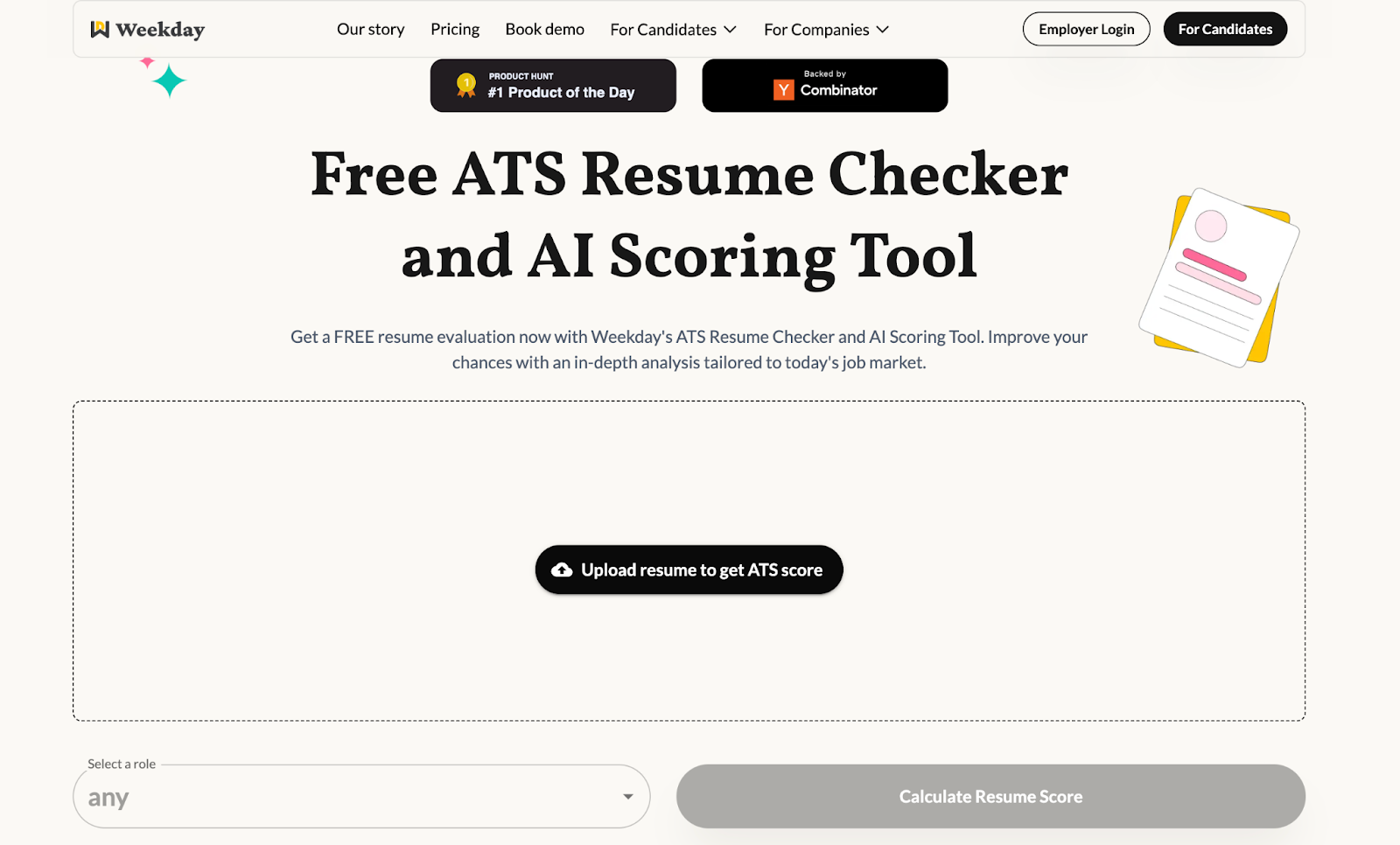
It shows you how well your resume matches modern hiring expectations instead of leaving you guessing.
Responsibilities Are Dead. Results Win.
Another mistake that refuses to die: listing responsibilities instead of outcomes.
Lines like “Responsible for managing client accounts” don’t tell anyone anything. Every candidate was “responsible” for something.
In 2026, hiring managers want proof. What changed because you were there?
Instead of describing tasks, describe impact:
- What improved?
- What grew?
- What became faster, cheaper, more efficient?
Even rough numbers are better than none. If you don’t know exact metrics, estimate thoughtfully. “Improved onboarding efficiency by reducing turnaround time from 5 days to 2” says more than three generic bullet points combined.
If you’re rebuilding from scratch, use an ATS-friendly format instead of design-heavy templates that break parsing systems. Our Resume Builder keeps formatting clean and structured without looking dull:
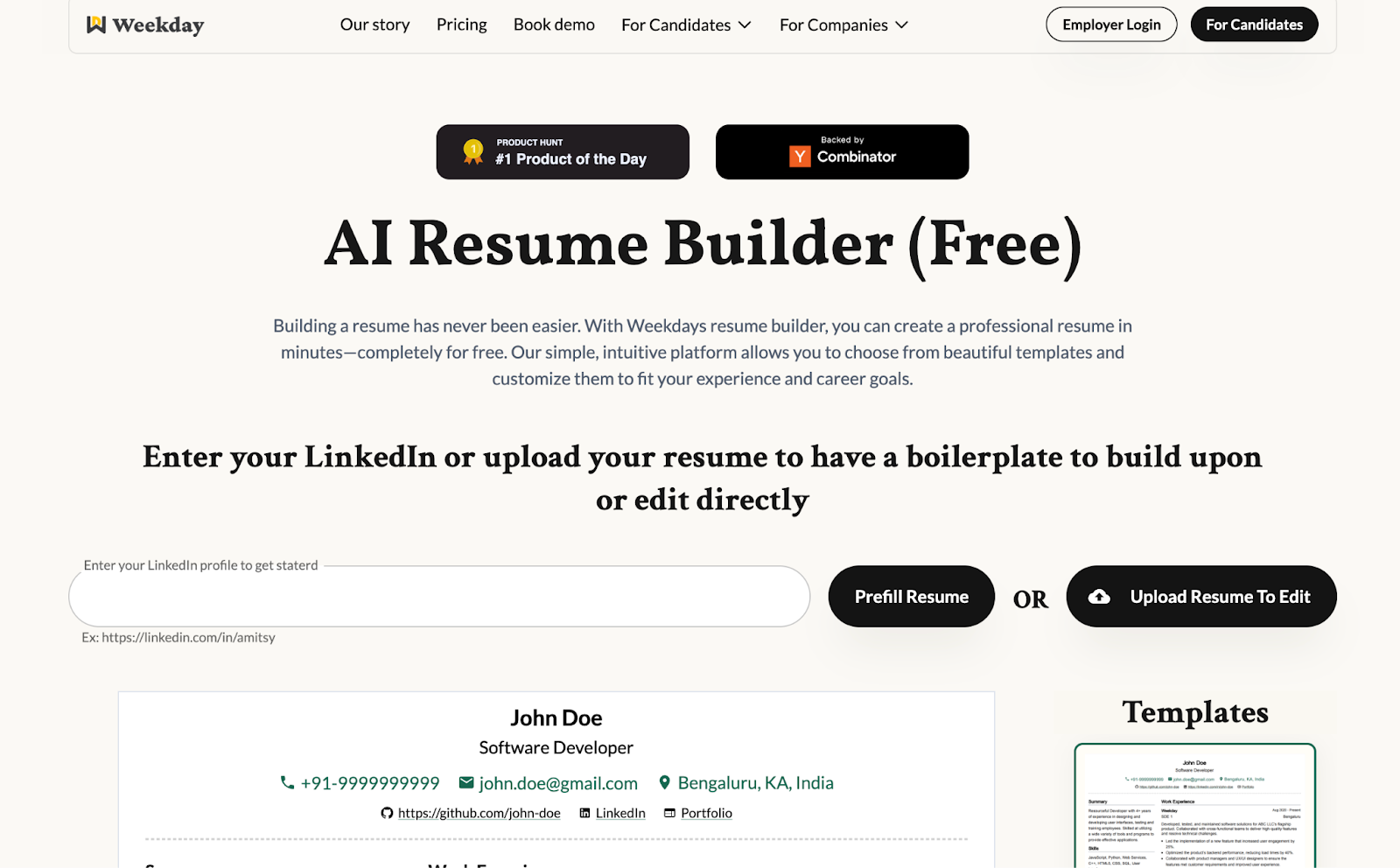
It’s built for how resumes are actually screened today.
Keyword Stuffing Is Just as Bad as Ignoring ATS
Yes, you need keywords. No, you shouldn’t turn your resume into a robotic copy-paste of the job description.
Recruiters in 2026 can spot keyword stuffing instantly. It reads unnatural. It feels inflated. And it often backfires.
The smarter move is mirroring language strategically. If a job description says “cross-functional collaboration,” don’t write “worked with other teams.” Align the phrasing naturally within real achievements.
Also, avoid overly graphic templates. Columns, icons, text boxes — many ATS systems still misread them. A clean, simple structure consistently performs better.
Your Resume Isn’t a Biography
There’s a quiet fear many candidates have: “If I remove this, will I look less impressive?”
That fear leads to overcrowded resumes. Two pages of dense bullets. Every internship. Every certification. Every side project since college.
But in 2026, clarity beats completeness.
If you’re mid-career, no one needs your 2017 campus club leadership unless it directly strengthens your story. What matters is your recent, relevant impact.
Think of your resume as positioning, not documentation. It’s not about proving you did things. It’s about proving you’re right for this job.
Soft Skills Without Proof Don’t Land
“Strong communicator.”
“Strategic thinker.”
“Leadership experience.”
These phrases have lost meaning because everyone uses them.
If you want to show leadership, describe a moment you led. If you want to show communication skills, show influence — did you present to stakeholders? Drive alignment? Close deals?
Soft skills should be embedded inside real stories, not listed in isolation.
Applying Blindly Is a Resume Mistake Too
Your resume isn’t just about formatting. It’s about context.
Before applying, understand:
- What stage is the company in?
- Are they scaling, restructuring, stabilizing?
- What problems might this role actually solve?
You can research company insights and work culture before applying here.
When your resume subtly reflects what the company needs right now, it stands out immediately.
And instead of mass applying across random job boards, use targeted listings through here:
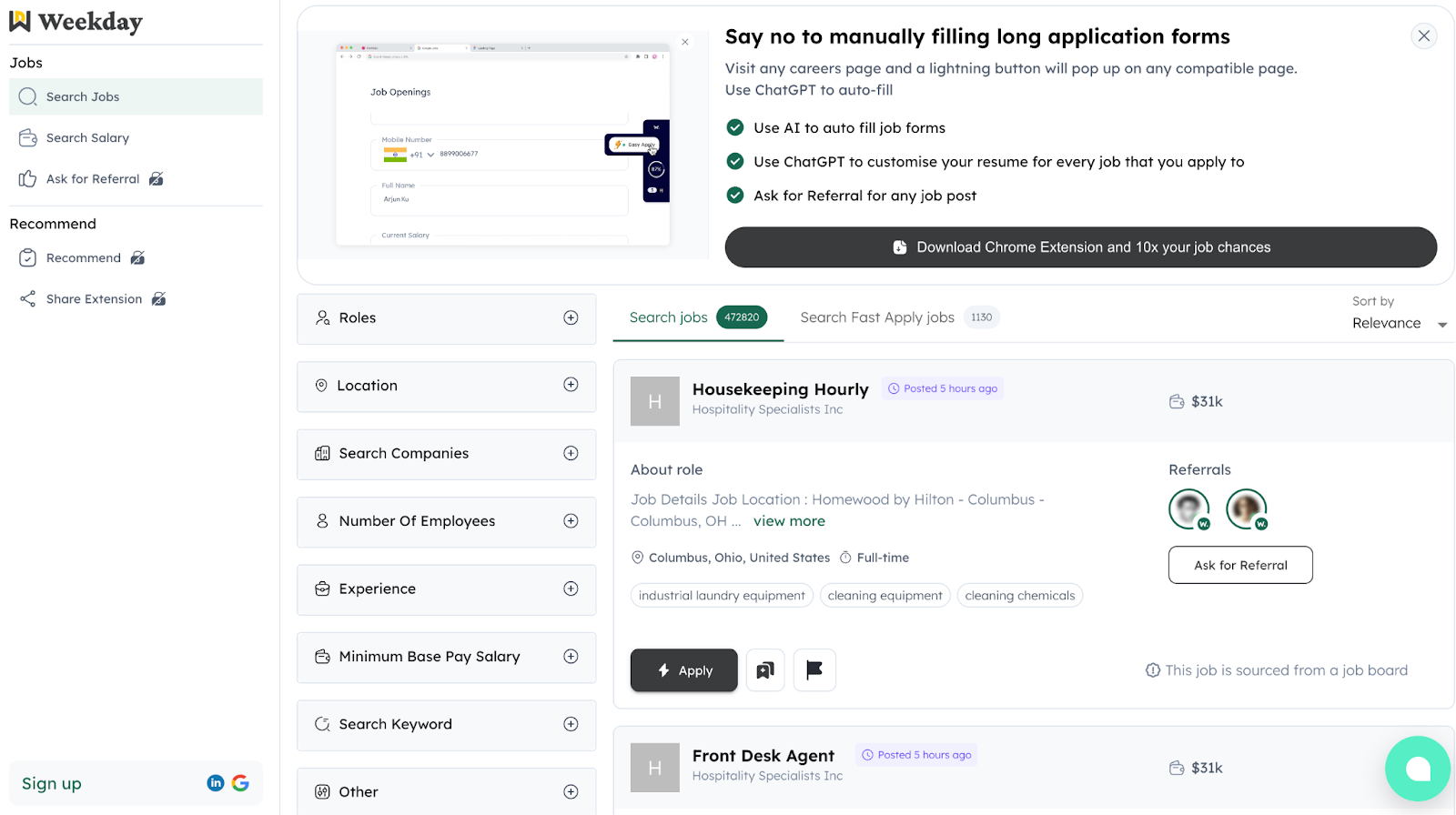
Relevance increases response rates more than volume ever will.
The AI Problem (That No One Talks About)
AI-generated resumes are everywhere now.
And recruiters can tell.
Not because AI is bad, but because people don’t edit what it produces. The language becomes inflated. Every bullet follows the same rhythm. Everything sounds impressive but vague.
AI should refine your real experience, not invent it.
Use it to tighten language. Improve clarity. Add structure. Then edit heavily. Remove fluff. Make it sound like you.
Your Resume Is Part of a Bigger System
In 2026, your resume doesn’t live alone. Recruiters often check:
- Portfolio links
- Public profiles
- Application consistency
If your LinkedIn says one thing and your resume says another, that creates friction.
If you want help optimising and managing applications across platforms, the Weekday Chrome extension can streamline that process.
Small efficiencies compound when you’re applying seriously.
The Real Mistake: Treating a Resume Like a Static File
The biggest resume mistake in 2026 isn’t bad formatting.
It’s thinking your resume is finished.
Your resume should evolve with every application cycle. It should adapt to roles. Improve with feedback. Tighten over time.
If you’re starting fresh, build it properly once using the Resume Builder.
Then test and improve it with the Resume Checker & Scoring Tool.
Treat it like a performance asset, not a PDF you made three years ago.
More from Weekday
If you’re actively job searching in 2026, these articles will help:
- Current Resume trends for 2026
- Best 30 Free Resume Builders in 2026: Most Comprehensive List
- Resume Format with Gap Year – Free Resume Builder
- How to quantify achievements on a resume
- How to Write a Good Resume (That People Actually Want to Read)
- How to get jobs with cold emailing?