.svg)
Visuals have a powerful impact on business success, in fact, 80% of digital marketers use graphic design for social media, and 75% of customers judge a company’s credibility by its website design. Consistent, high-quality design can even boost brand sales by 33%.
To attract the creative talent who can deliver these results, it starts with a clear and compelling graphic designer job description. This guide will show you exactly how to define the role, set expectations, and craft a job description that stands out to the top graphic designers out there.
Key Highlights (TL;DR)
- A well-crafted graphic designer job description sets expectations, highlights key responsibilities, and attracts the right creative talent.
- Knowing the different types of graphic design (digital, print, UI/UX, motion graphics) helps you tailor the job to your specific needs.
- Focus on technical expertise, software proficiency, creativity, and collaboration skills to find candidates who can deliver quality work on time.
- Ask targeted questions about portfolios, branding experience, design process, and teamwork to identify candidates who align with your brand and goals.
- Generate Your Graphic Designer JD Now
What Is a Graphic Designer?
A graphic designer is a creative professional who transforms ideas and messages into visual content that communicates effectively across various media. They play a vital role in shaping how a company looks and feels to its audience, whether through websites, print ads, logos, packaging, or videos.
At its core, the role involves:
- Creating visual concepts by hand or using design software to capture attention and convey messages clearly.
- Designing layouts and graphics for both digital platforms (websites, social media, apps) and print materials (brochures, magazines, packaging).
- Collaborating closely with clients, copywriters, marketers, and art directors to ensure designs meet project goals and brand standards.
- Selecting typography, colors, and imagery that align with the brand’s identity and the target audience’s preferences.
- Adapting designs based on feedback and testing them across different media to ensure quality and effectiveness.
- Staying updated with the latest design trends and software tools to deliver fresh, innovative solutions.
Types Of Graphic Designers
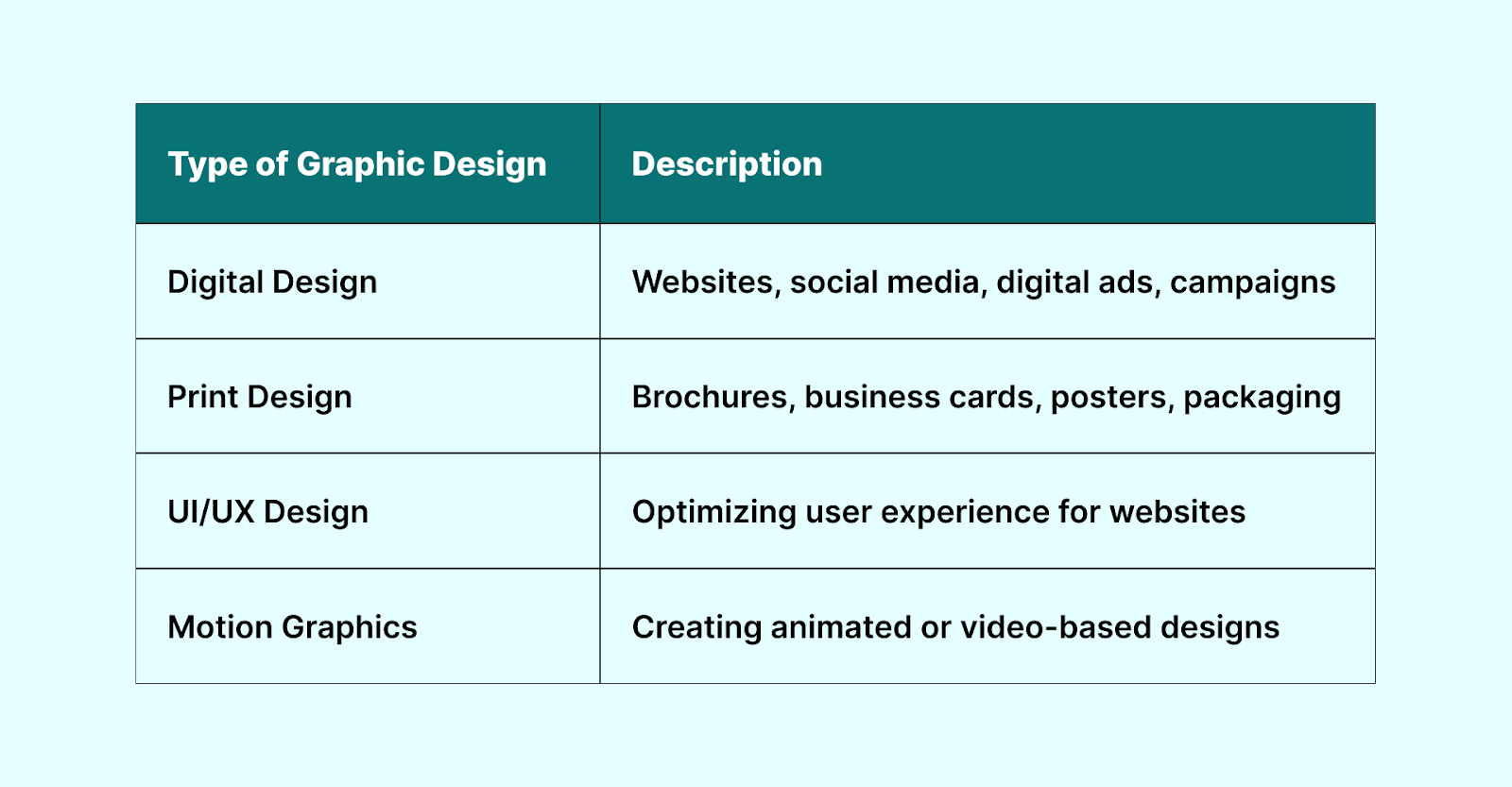
Graphic design is a broad field with various specializations. Here are a few types of graphic design that showcase the range of expertise required:
Also Read: Understanding the Role and Responsibilities of a UX Engineer
Why Do You Need to Hire a Graphic Designer?
A graphic designer shapes how your business is seen and remembered. First impressions are almost always visual: 94% of people leave a website if the design is poor. Visual communication is powerful, as a matter of fact 93% of all communication is visual. And people remember 65% of visual information three days later, compared to written content.
Graphic design isn’t just about aesthetics; it’s about connecting with your audience and making your message stick. That’s why 55% of businesses use graphic design to communicate with customers. The right visuals can build trust, drive engagement, and ensure your brand stands out long after the first click.
Core Responsibilities of a Graphic Designer
A clear graphic designer job description helps attract the right talent by outlining essential responsibilities. Here's what you should expect from a skilled graphic designer:
- Creating Visual Concepts and Designs
Designers translate ideas into visual representations, creating logos, marketing materials, and websites that align with brand goals and engage the target audience.
- Collaborating with Cross-Functional Teams
Effective teamwork with marketing, product, and content teams ensures the designs support company initiatives and are consistent with business objectives.
- Maintaining Brand Consistency
A designer ensures all visual content follows brand guidelines, strengthening brand identity and fostering customer trust across all touchpoints.
- Managing Multiple Projects and Deadlines
Designers juggle several projects simultaneously, prioritizing tasks and meeting deadlines without compromising quality.
- Adapting to New Trends and Technologies
Staying updated on design trends and new technologies allows designers to innovate and ensure the brand remains fresh and relevant.
- Delivering High-Quality, On-Time Designs
Graphic designers ensure each design meets quality standards and is delivered on schedule, aligning with marketing timelines and company goals.
- Iterating and Revising Designs
Designers are adaptable, revising their work based on feedback to ensure the final design matches the vision and meets business objectives.
Essential Skills and Qualifications for a Graphic Designer
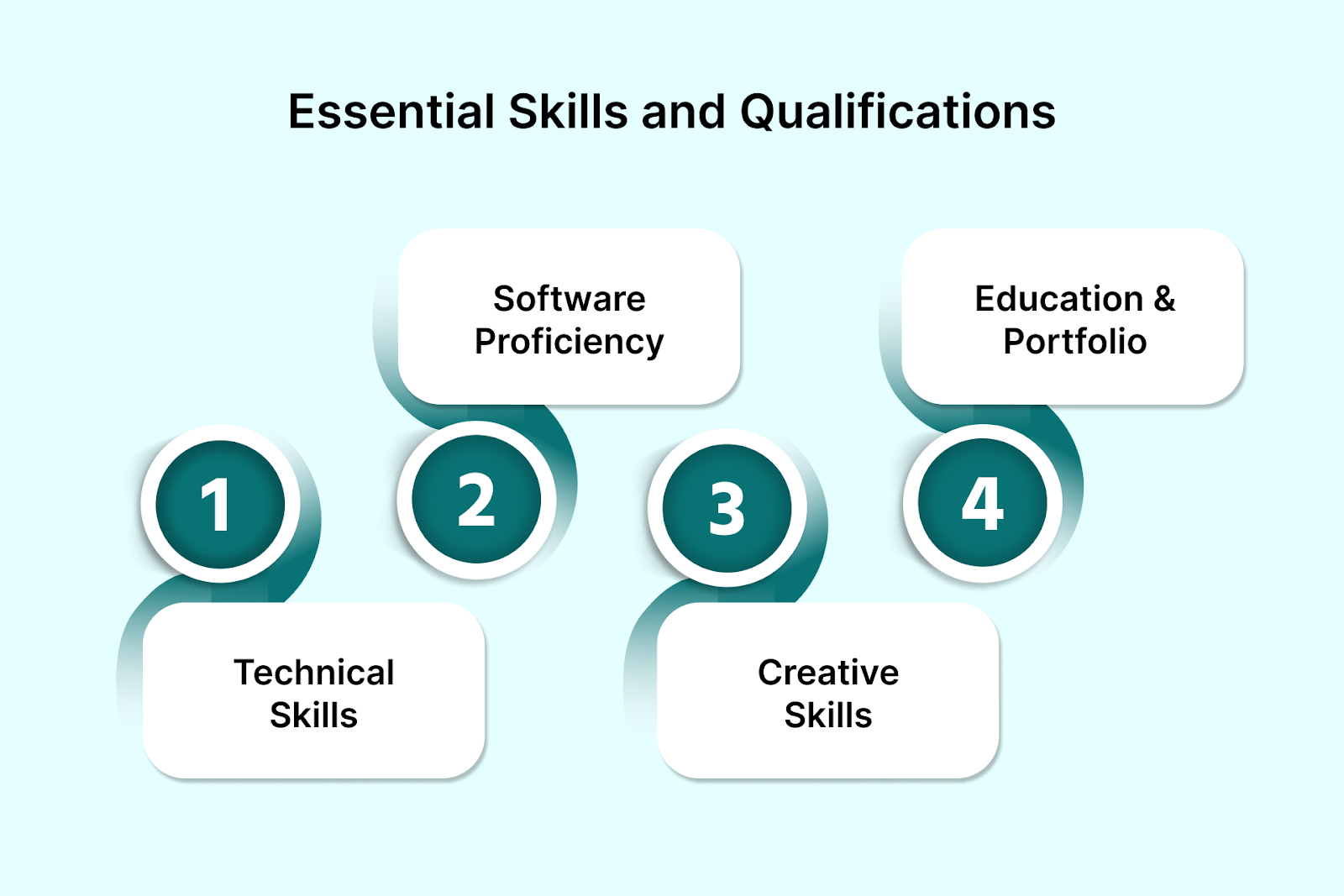
A standout graphic designer job description is built on a clear understanding of the skills and qualifications that set top candidates apart.
1. Technical Skills: The Foundation of Great Design
- Mastery of Design Principles: Balance, hierarchy, contrast, and composition are the framework of every effective design. A designer’s ability to apply these principles ensures your visuals are not only eye-catching but also communicate the intended message clearly.
- Color Theory & Typography: Understanding how colors influence emotion and how typefaces impact readability is essential for building a memorable brand and guiding user attention.
- Digital & Print Expertise: Today’s graphic designer must be fluent in both digital (web, social, email) and print (brochures, packaging, magazines) formats, adapting designs to each platform’s unique requirements.
2. Software Proficiency: The Tools of the Trade
- Adobe Creative Suite (Photoshop, Illustrator, InDesign) is the industry standard for graphic design, and proficiency in these programs is essential for most roles.
- Figma and Sketch are increasingly important, especially for UI/UX designers. These tools help create interactive prototypes and collaborate in real-time with cross-functional teams.
- Canva: While often seen as a tool for beginners, knowledge of Canva can be valuable, especially for creating quick marketing assets or for smaller teams with fewer resources.
- Adobe XD or InVision for UX/UI design, allowing designers to create and test prototypes that enhance user experience.
3 . Creative & Soft Skills: What Makes a Designer Stand Out
- Creativity & Ideation: The best designers are problem-solvers who generate fresh ideas and turn feedback into innovative solutions.
- Communication & Collaboration: Designers rarely work alone. Strong communication skills help them understand briefs, present concepts, and work effectively with marketing, product, and content teams.
- Time Management & Adaptability: Juggling multiple projects and meeting tight deadlines is part of the job. Top candidates are organized, flexible, and able to prioritize without sacrificing quality.
4. Education, Certifications & Portfolio
- Formal Education: Many employers look for a bachelor’s degree in graphic design or a related field, but a strong, diverse portfolio can often speak louder than a diploma.
- Certifications: While not always required, certifications in design software (like Adobe Certified Expert) or specialized areas (UI/UX, motion graphics) can demonstrate advanced skills and commitment to professional growth.
- Portfolio:
- A strong portfolio is arguably the most important qualification for a graphic designer. It should demonstrate a diverse range of projects that highlight the designer's skills, creativity, and ability to tackle different types of design challenges.
- The portfolio should showcase completed projects, including design thinking, iterations, and final products, along with case studies or explanations of the creative process.
Also Read: Top 15 Hiring Platforms in India 2025: Features, Reviews, and How to Choose
Sample Graphic Designer Job Description Template
Here’s a graphic designer job description template that’s ready to use and SEO-optimized. You can customize it further to fit your company’s unique requirements.
With Weekday’s Graphic Designer JD Generator, you can create a tailored, professional job description in just a few clicks. Save time and focus on what matters – finding the ideal candidate for your team.
Generate Your Graphic Designer JD Now
Tips for Customizing the Template
To ensure the graphic designer job description matches your company's specific needs, consider the following nuances:
- Specify the Type of Graphic Designer:
Graphic design roles vary widely. Tailor the job description to reflect the specific type of designer you're seeking:
- Digital Designer: Focus on design for websites, social media, and digital ads.
- Print Designer: Emphasize experience in creating printed materials like brochures, posters, and packaging.
- UI/UX Designer: Highlight skills in user interface design, web and mobile design, and prototyping.
- Motion Graphics Designer: Mention expertise in animation, video editing, and dynamic content creation.
- Responsibilities Based on Design Focus:
If you need a UI/UX designer, emphasize prototyping, wireframing, and user testing. If you're hiring for motion graphics, specify expectations for animation or video production. Tailor responsibilities to fit the designer’s specialization.
- Adjust for Experience Level
For junior designers, the job description might focus more on learning opportunities, mentorship, and basic design tasks. For senior designers, emphasize leadership skills, managing design projects, and strategic input.
- Software Skills
Update the tools section to reflect the software your company uses. If you require experience with specific platforms like Sketch for UI design or After Effects for motion graphics, be sure to mention these explicitly.
- Industry-Specific Adjustments
Depending on your industry (e.g., tech, marketing, retail), tailor the language and expectations. A tech company may require knowledge of responsive design and app interfaces, while a marketing agency might prioritize social media and digital ad design.
Also Read: Remote Hiring Strategies in 2025
Must-Ask Interview Questions To Graphic Designer Candidates
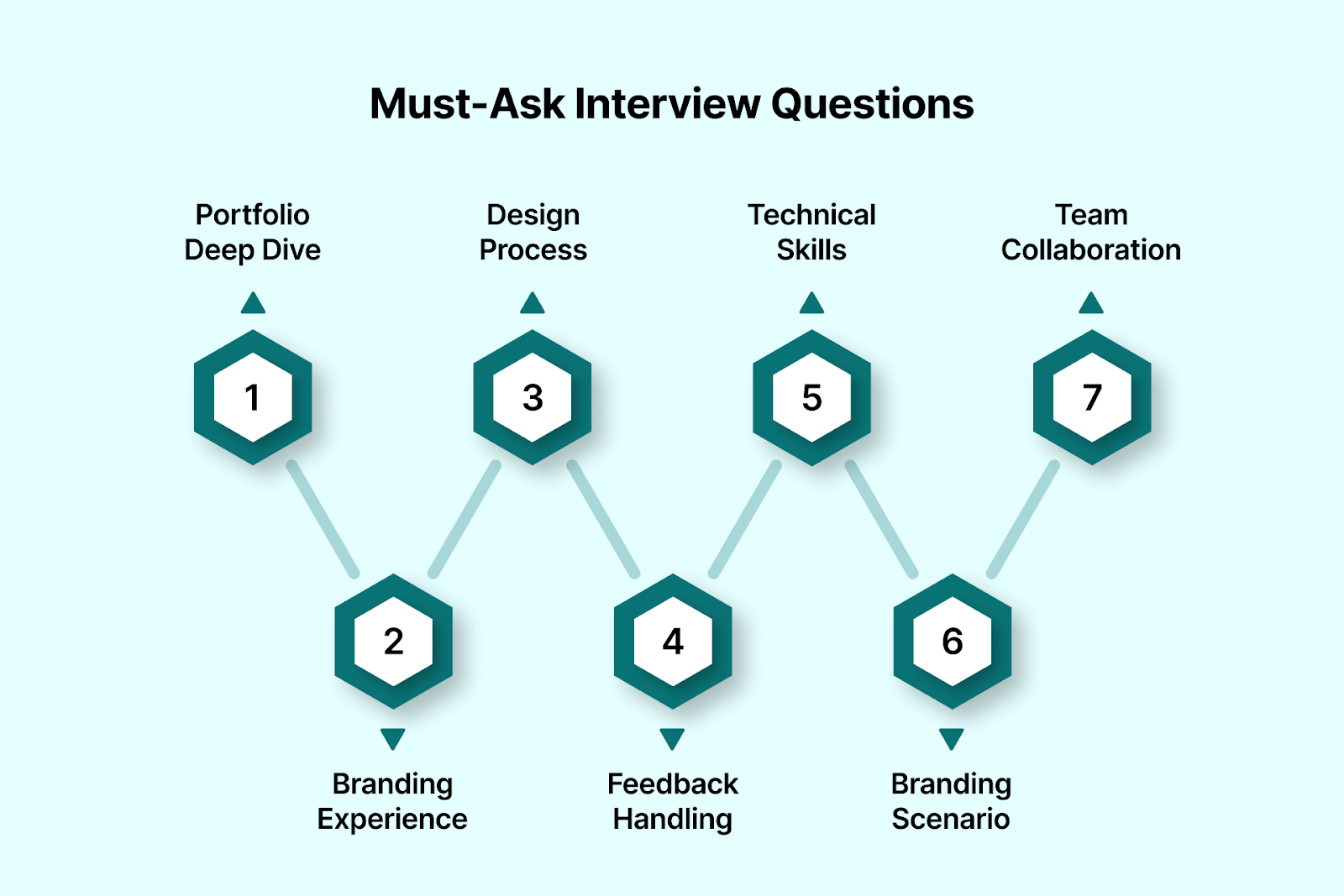
When crafting a graphic designer job description, the interview stage is your chance to go beyond resumes and portfolios. This where you truly gauge a candidate’s fit, mindset, and ability to deliver on your brand’s needs.
Here are must-ask interview questions, each designed to reveal critical qualities for the role:
- Portfolio Deep Dive
“Can you walk us through a project in your portfolio that you’re most proud of?”
This question invites candidates to showcase their design thinking, problem-solving, and ability to articulate the story behind their work. It also gives you insight into their process from concept to execution.
- Understanding of Branding
“Tell us about your experience maintaining brand consistency across different projects or platforms.”
This helps you assess whether the candidate understands the importance of visual identity and can uphold established brand standards.
- Design Process & Collaboration
“What steps do you take from receiving a brief to delivering the final design?”
This reveals their workflow, attention to detail, and how they collaborate with other teams or stakeholders.
- Feedback & Adaptability
“How do you handle feedback or criticism on your designs?”
Since design is iterative, you want someone who can accept feedback constructively and use it to improve their work.
- Technical & Creative Skills
“Which design tools do you use most, and why?”
This question checks for proficiency in key software (like Adobe Creative Suite, Figma, or Sketch) and helps you identify if their technical skills match your project requirements.
- Branding Scenario
“If you were asked to refresh our company’s visual identity, what would be your approach?”
This tests their understanding of your brand, their research skills, and their ability to balance creativity with business goals.
- Communication & Teamwork
“Can you describe a time you worked closely with marketing, product, or content teams? What was the outcome?”
Collaboration is essential in most graphic designer job descriptions, so this question uncovers their communication style and ability to work cross-functionally.
Conclusion
A well-crafted graphic designer job description is the first step in shaping the creative future of your brand. By defining the role with clarity and intention, you invite talent to meet your needs but give life to your vision.
The right designer will do more than fill a position; they’ll become a partner in telling your story, connecting with your audience, and setting your business apart in a crowded world.
If you’re ready to hire a graphic designer but want to skip the endless sorting through irrelevant applications, give Weekday a try. With Weekday, you can tap into a curated pool of over 30 million profiles, including top creative talent.
Discover a better way to hire and find your next creative partner with Weekday.
FAQs
1. What are the key skills required for a Graphic Designer?
Graphic designers should have proficiency in design software such as Adobe Creative Suite (Illustrator, Photoshop, InDesign), knowledge of typography, color theory, and layout design. Strong creativity, attention to detail, and the ability to communicate design ideas visually are essential.
2. What is the typical experience required for a Graphic Designer?
Most employers look for candidates with at least 2-3 years of professional experience in graphic design. A portfolio showcasing previous work is often required to demonstrate design expertise and creativity.
3. What are the responsibilities of a Graphic Designer?
A graphic designer’s responsibilities include creating visual content for print and digital platforms, collaborating with clients or teams to understand design needs, developing concepts, and ensuring the final designs are aligned with brand identity and objectives.
4. What are the differences between a Graphic Designer and a Visual Designer?
While both roles involve design work, a Graphic Designer typically focuses on creating visual assets for print and digital media, while a Visual Designer may have a broader scope, including user interface design, web design, and digital user experience.
5. What qualifications should a Graphic Designer have?
While a formal degree in graphic design or a related field is preferred, many successful graphic designers also have a strong portfolio and self-taught skills. Certifications in design software (e.g., Adobe Certified Expert) and experience with web design or UX/UI principles can also be beneficial.