.svg)

Attracting and hiring a skilled program manager is a critical challenge for organizations managing complex projects. Nearly half of hiring managers now say finding qualified candidates is harder than ever, with 49% struggling to identify the right fit in a competitive market.
This talent gap directly impacts the ability to deliver strategic initiatives and meet business goals. HR professionals need a clear understanding of what a program manager does, how the role differs from project and product management, and which skills are essential. A precise job description and clear expectations are essential for smooth recruitment and to drive organizational success.
This guide will help you with an approach to writing an effective Program Manager job description, covering key responsibilities, skills, and qualifications.
Generate Your Program Manager JD Now
What Is A Program Manager?
A Program Manager is a senior leader tasked with overseeing a collection of related projects, collectively known as a program. They ensure these projects deliver value and align with the organization’s broader business objectives.
They are accountable for balancing competing priorities, resolving conflicts, and adapting plans in response to shifting business needs. This requires strong leadership, communication, and decision-making skills, as program managers must engage with stakeholders at all levels, from project teams to executive leadership.
What Is the Difference Between a Project Manager and a Program Manager?
Despite the critical role program managers play in driving organizational strategy, their responsibilities are often mistaken for those of project managers.
This confusion typically arises because both roles involve overseeing teams, managing resources, and ensuring successful delivery. However, the scope and impact of their work differ significantly.
What Does A Program Manager Do?
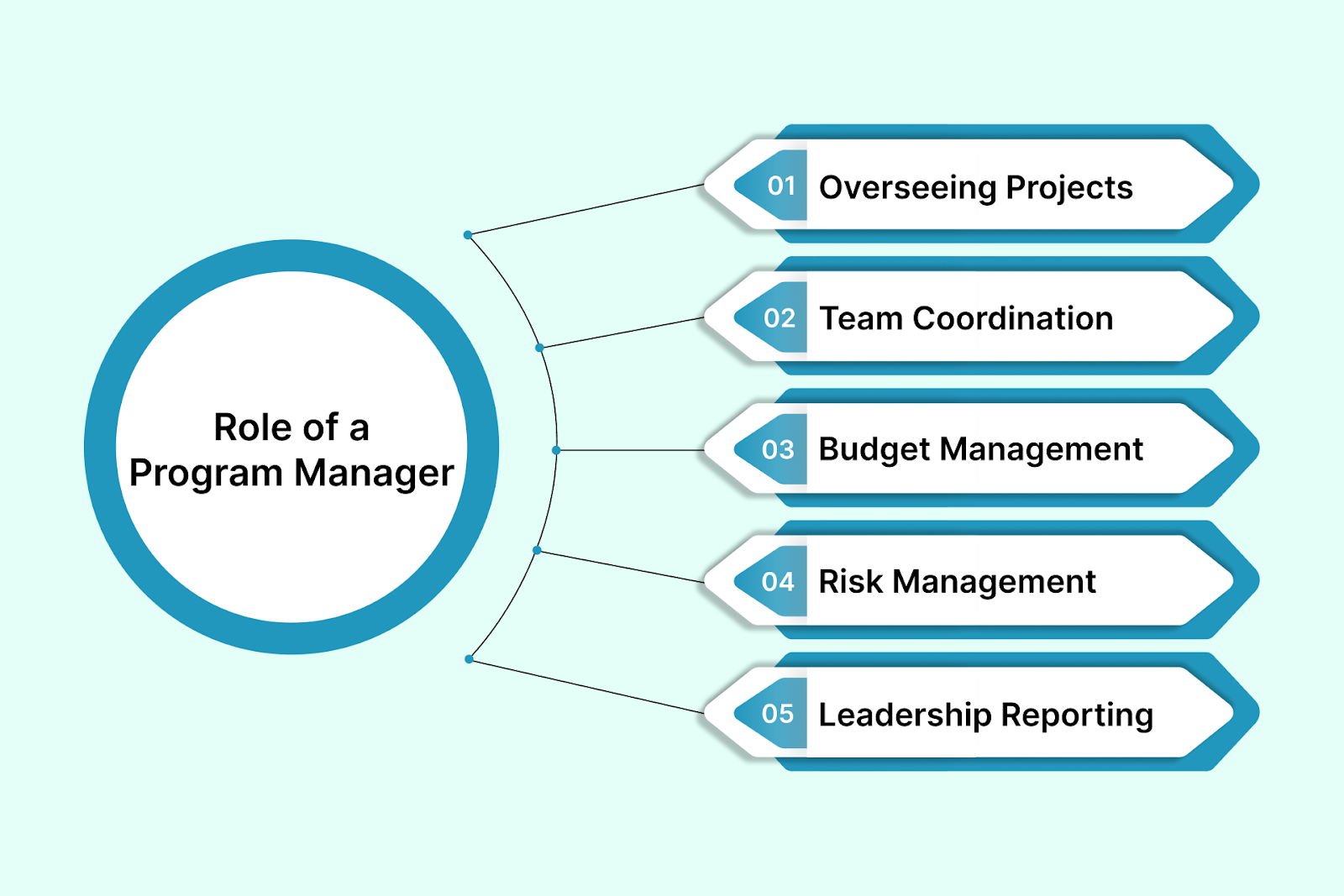
The key responsibilities of a Program Manager are both strategic and tactical, requiring a high level of coordination, resource management, and risk mitigation.
- Overseeing Multiple Projects
Program managers supervise a portfolio of projects, ensuring each contributes to the program’s objectives and aligns with the company’s vision. They coordinate project timelines, goals, and deliverables, maintaining a holistic view of progress and interdependencies.
- Coordinating Cross-Functional Teams
They facilitate collaboration among various departments, such as engineering, marketing, finance, and operations, to ensure all teams are working toward common objectives. Managing stakeholder expectations is critical, as program managers must balance competing interests and maintain clear, consistent communication.
- Developing and Managing Budgets and Timelines
Program managers create comprehensive program budgets, allocate resources efficiently, and monitor expenditures to prevent overruns. They establish realistic timelines for each project, adjusting schedules as necessary to accommodate shifting priorities or unforeseen challenges.
- Risk Management and Contingency Planning
Proactive identification and mitigation of risks is a core responsibility. Program managers develop contingency plans to address potential obstacles, ensuring that the program remains on track even when unexpected issues arise.
- Reporting to Senior Leadership
Regular updates on program status, performance metrics, and key milestones are provided to executives. This transparency enables informed decision-making and ensures ongoing alignment with business objectives.
Customization Advice: tailor the program manager’s duties to fit the unique needs of your organization to ensure optimal results. For example
- In larger organizations or highly regulated industries, program managers may focus more on compliance and governance.
- In smaller companies or startups, the role may be more hands-on, with greater involvement in day-to-day project execution.
Essential Skills and Qualifications for a Program Manager
For a Program Manager to be effective, they need a comprehensive skill set that blends leadership, strategic planning, and technical knowledge. The role demands more than just the ability to manage timelines and budgets.
When crafting a program manager job description, you must focus on a blend of core skills and formal qualifications that directly impact program outcomes and organizational growth.
Core Skills for Program Managers:
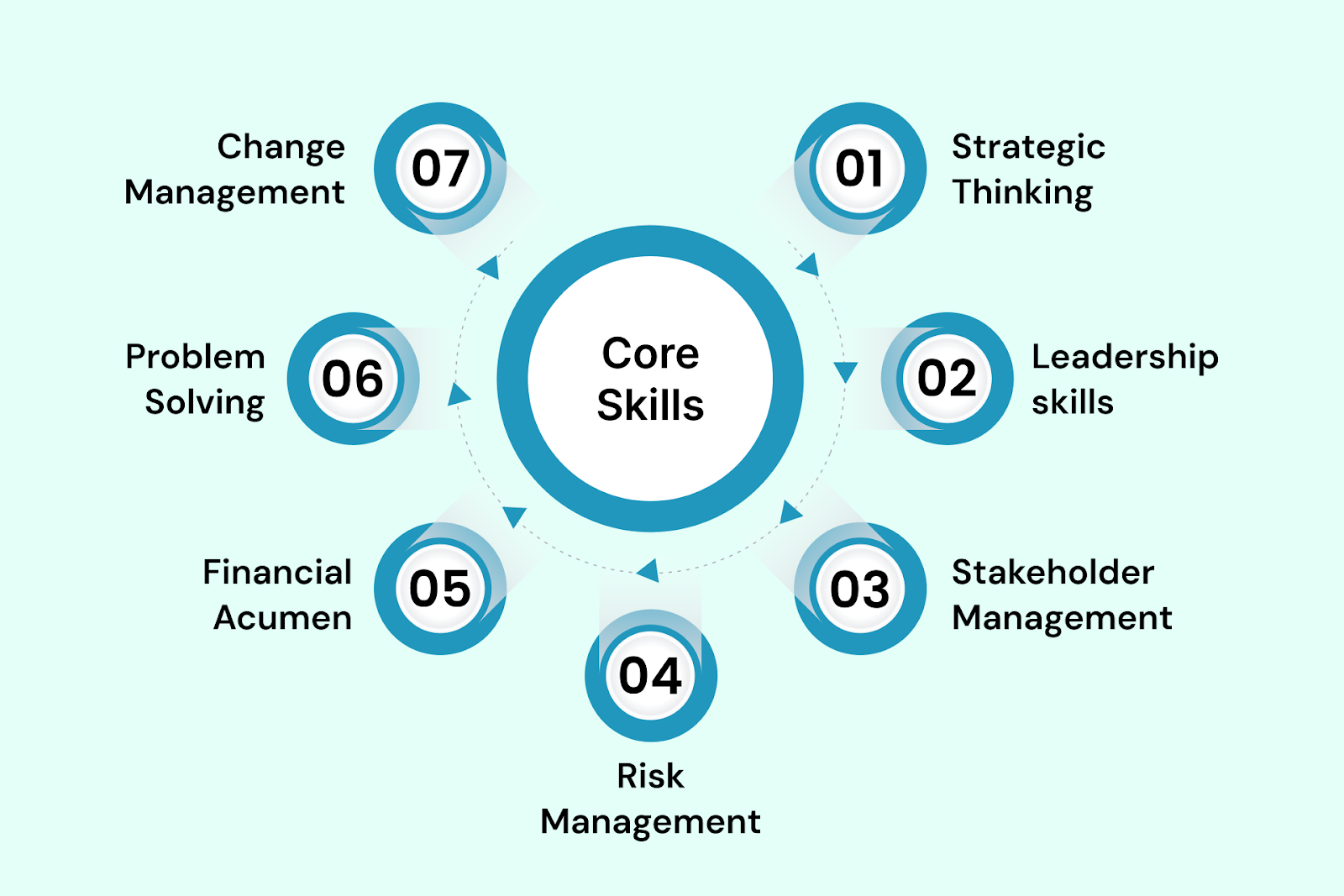
- Strategic Thinking: Program managers must see beyond individual projects, understanding how each initiative fits into the organization’s broader objectives. They anticipate market shifts, identify long-term opportunities, and ensure all projects contribute to business strategy.
- Leadership and Team Management: Effective program managers inspire collaboration, resolve conflicts, and encourage accountability, ensuring all team members work cohesively toward shared goals.
- Communication and Stakeholder Management: Clear, persuasive communication is essential. Program managers regularly engage with executives, project teams, and external partners, translating complex information and aligning diverse stakeholders around program priorities.
- Risk Management: The ability to proactively identify, assess, and mitigate risks is vital. Program managers develop contingency plans, address issues before they escalate, and maintain program momentum in the face of uncertainty.
- Financial Acumen: Managing program budgets and resources efficiently is a key responsibility. Strong financial skills enable program managers to forecast costs, allocate resources wisely, and ensure programs deliver expected returns.
- Problem-Solving and Decision-Making: Programs often encounter unforeseen challenges. Successful program managers think analytically, make informed decisions quickly, and adapt strategies as needed to keep programs on track.
- Change Management: Guiding teams through organizational change is increasingly important. Program managers must help teams adapt, manage resistance, and ensure smooth transitions during program execution.
Qualifications for Program Managers:
- Education: A bachelor’s degree in business, management, engineering, or a related field is typically required. For senior roles, a master’s degree can be advantageous.
- Certifications: Recognized credentials such as Project Management Professional (PMP) or Program Management Professional (PgMP) demonstrate mastery of best practices and methodologies.
- Technical Proficiency: Familiarity with program management tools and methodologies (such as Agile, Waterfall, or hybrid approaches) is often expected.
Customization Advice: The ideal mix of skills and qualifications may vary depending on your organization’s size, industry, and program complexity. Customize your project manager job description to these unique needs.
For example, technology companies may prioritize digital fluency and agile experience, while healthcare or finance organizations may emphasize regulatory compliance and risk management.
Also Read: How to Attract Top Candidates through Recruitment Process
Below is a Program Manager job description template that you can customize based on your specific needs and organizational requirements.
Program Manager Job Description Template
This template is designed to be customized based on your organization’s size, industry, and specific program needs, ensuring you attract qualified candidates who can deliver strategic and operational excellence.
Ready to Hire a Program Manager?
Skip the hassle of manually crafting the perfect job description. With Weekday’s Program Manager JD Generator, you can create a customized, detailed job description in just a few clicks, ensuring you attract the right candidates for your team.
Generate Your Program Manager JD Now
Customizing the Program Manager Job Description Template
The provided Program Manager job description template serves as a solid foundation, but tailoring it to your organization’s unique context is essential to attract the right candidates.
Key customization areas include:
- Industry-Specific Requirements: Highlight any specialized knowledge or regulatory compliance relevant to your sector, such as healthcare protocols, financial regulations, or technology standards. This helps target candidates familiar with your industry’s challenges and expectations.
- Company Size and Structure: In larger organizations, emphasize program governance, stakeholder management across multiple departments, and experience with complex matrix environments. For smaller companies or startups, focus on versatility, hands-on leadership, and the ability to manage both strategic and operational tasks.
- Program Complexity and Scope: Adapt responsibilities and qualifications based on whether the program involves international teams, cutting-edge technology, or high-risk initiatives. This ensures candidates understand the scale and challenges they will face.
- Methodologies and Tools: Specify preferred project management frameworks (e.g., Agile, Waterfall) and software platforms your organization uses, aligning expectations with your operational environment.
- Soft Skills and Cultural Fit: Include attributes like adaptability, communication style, and leadership philosophy that resonate with your company culture and values.
Once you have your program manager job description ready, it’s time to make your hiring process smarter. Use Weekday’s AI-powered resume screener to quickly filter through applications and focus only on candidates who truly fit your needs.
Tips for Attracting the Right Program Manager Talent
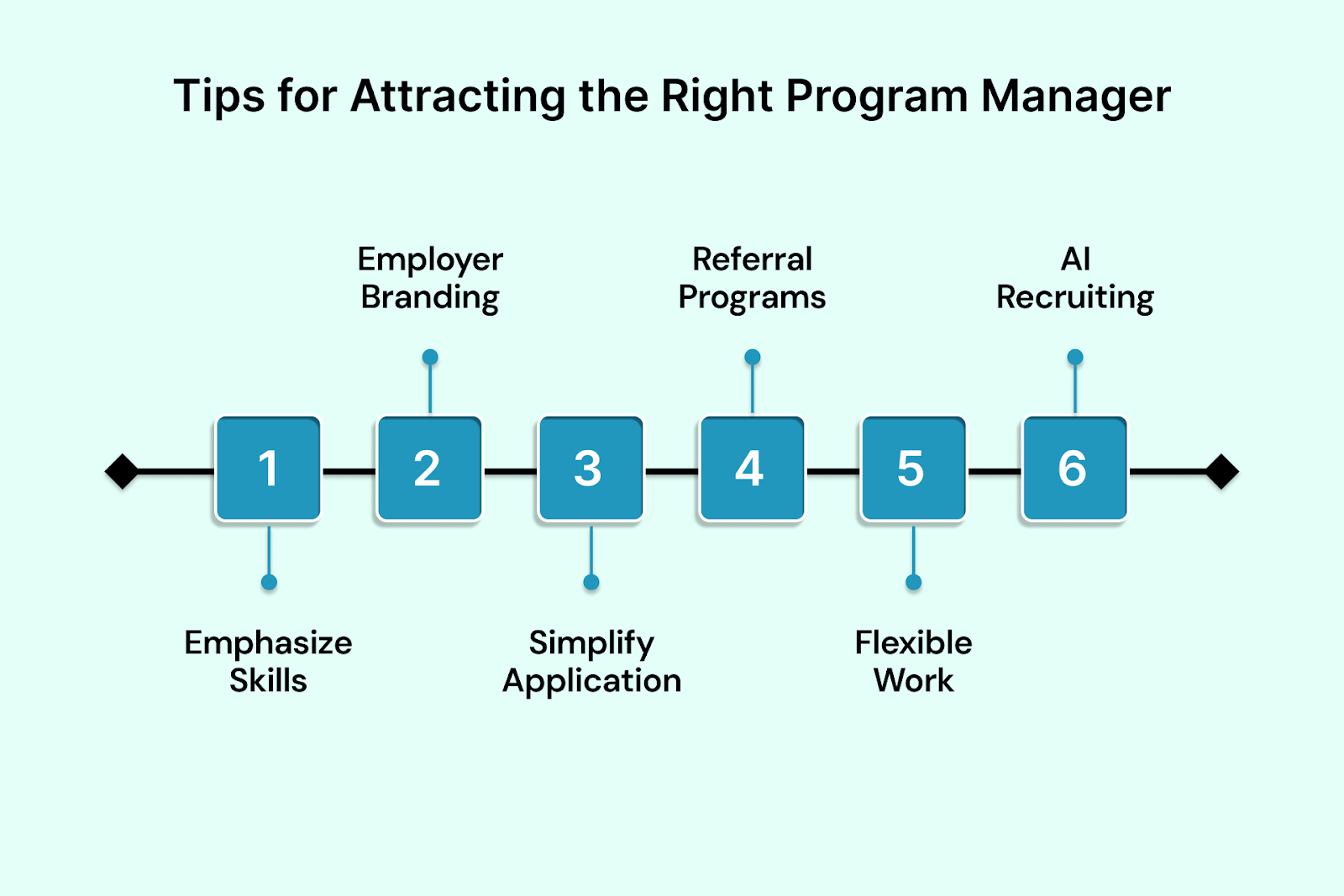
Attracting top program manager talent requires a strategic, candidate-centric approach that goes beyond traditional recruiting. Here are actionable strategies for you to ensure your organization stands out and secures the best candidates for this role:
- Emphasize Skills and Real-World Experience
Shift your focus from traditional degree requirements to practical skills and relevant experience. Incorporate skill-based assessments and real-world case studies into your application process to identify candidates with proven program management capabilities.
- Strengthen Employer Branding
Promote your organization’s values, culture, and growth opportunities through authentic storytelling on social media and your careers page. Companies with strong employer branding receive 50% more qualified applicants and experience lower turnover rates.
- Simplify the Application Process
Streamline your application and interview process to reduce barriers for top candidates. Enable one-click applications, provide timely feedback, and ensure transparency at every stage to keep candidates engaged.
- Encourage Employee Referral Programs
Encourage your current employees to refer qualified program manager candidates. Referral programs not only expand your talent pool but also increase the likelihood of finding candidates who fit your culture and are more likely to stay long-term.
For greater reach and efficiency, consider Weekday’s Employee Network. They tap into extended professional networks to help you discover and connect with top, peer-recommended talent.
- Offer Flexible Work Arrangements
Highlight flexible work options, such as hybrid or remote models, to appeal to candidates seeking work-life balance. Flexibility is a key differentiator, especially for experienced program managers who value autonomy.
- Utilize Technology and AI:
Implement AI-powered recruiting tools to efficiently screen applications, reduce bias, and identify top talent based on skills and experience, not just keywords or credentials.
Also Read: Top 15 Hiring Platforms in India 2025
Conclusion
A well-defined program manager job description is a strategic asset for any organization seeking to drive complex initiatives and achieve long-term business goals. When you clearly outline program manager responsibilities, required skills, and qualifications, you attract technically proficient candidates. You’ll also find it easier to connect with professionals who genuinely align with your company’s vision and culture.
Using advanced recruitment solutions is the key to attracting top program management talent. With Weekday, you can process up to 10x more candidates and cut your time-to-hire by as much as 75%, all while maintaining quality and fit.
FAQs
- How does a Program Manager contribute to a company’s success?
Program Managers contribute to a company’s success by aligning multiple projects with strategic business objectives, ensuring efficient resource utilization, and mitigating risks. Overseeing programs that drive business growth, innovation, and operational efficiency, Program Managers ensure that all projects contribute to long-term organizational goals.
- Which performance metrics should be outlined to define success in this role?
- Define clear, measurable performance metrics such as:
- Program delivery on time and within budget
- Achievement of strategic objectives and business outcomes
- Return on investment (ROI) for programs
- Stakeholder and customer satisfaction
- Risk mitigation effectiveness
- Quality of deliverables and adherence to standards
- Resource utilization and team performance.
- What role do certifications play in a program manager job description?
Certifications like PgMP (Program Management Professional) and PMP (Project Management Professional) validate a candidate’s knowledge and commitment to best practices. Including these as preferred or required qualifications helps filter candidates who meet industry standards and possess proven expertise.
- What soft skills are important for a Program Manager?
Key soft skills for a Program Manager include:
- Leadership – To inspire and guide teams.
- Communication – For clear and effective interaction with stakeholders.
- Problem-Solving – To address challenges and keep projects on track.
- Collaboration – Ensuring smooth teamwork across departments.
- Adaptability – Adjusting to changes and unforeseen circumstances.
- Emotional Intelligence – Managing relationships and resolving conflicts.
- Negotiation – Aligning stakeholders on resources, timelines, and priorities.
- Decision-Making – Making sound decisions that drive program success.
- Time Management – Prioritizing tasks and managing multiple projects.
- Conflict Resolution – Addressing disputes to maintain team focus.
5. Should I include tools and technology expertise in the program Manager job description?
Yes. Specifying familiarity with program management tools (e.g., Microsoft Project, Jira, Asana) and methodologies (Agile, Waterfall) helps attract candidates who can seamlessly integrate into your existing workflows, reducing onboarding time and increasing productivity.